Drift: Unlocking B2B Sales with Conversational AI
Comprehensive guide on Drift's conversational AI tools for enhancing B2B sales and marketing strategies efficiently.
Drift AI for B2B Sales: Complete Guide
Drift AI is a conversational marketing platform built specifically for B2B sales and marketing teams. The platform uses B2B chatbots and automated messaging to engage website visitors in real time. Companies use Drift AI for lead qualification automation, scheduling meetings, and connecting potential buyers with sales reps faster. Conversational marketing tools like Drift AI exist because traditional web forms and email campaigns often create friction in the buyer journey. Instead of filling out forms and waiting for responses, visitors can get immediate answers and book meetings instantly. Drift AI integrates with major CRM systems and provides analytics on conversation performance, as detailed in Drift’s Conversational AI Platform. The platform targets mid-market and enterprise B2B companies looking to accelerate their sales pipeline and improve conversion rates from website traffic, as highlighted in Drift’s Product Strategy Guide.
What is Drift AI?
Drift AI is a conversational marketing and sales platform that replaces traditional web forms with AI-powered chat experiences. The tool sits on your website and engages visitors through automated conversations. Drift AI can start real-time conversations based on predefined rules when someone lands on your site. The platform identifies whether a visitor is a new prospect or a returning customer and adjusts the conversation accordingly.
The AI component analyzes visitor behavior and company data to personalize exchanges. Drift AI chatbots can answer common questions, collect contact information, and route qualified leads to the right sales representative. The platform works across desktop and mobile devices. Drift AI also includes video chat capabilities so sales reps can jump into conversations and connect face-to-face with prospects when needed.
The system learns from past conversations to improve response accuracy over time. Businesses can customize chatbot playbooks to match their specific sales process and buyer personas. Drift AI processes conversations in real time and updates connected systems automatically.
Why Drift AI Exists and Its Purpose
Traditional B2B sales processes create delays between initial interest and actual conversations. A prospect visits your website, fills out a form, waits for an email response, then maybe gets on a call days later. By that time, interest often cools off or they’ve already talked to competitors.
Drift AI Core Components:
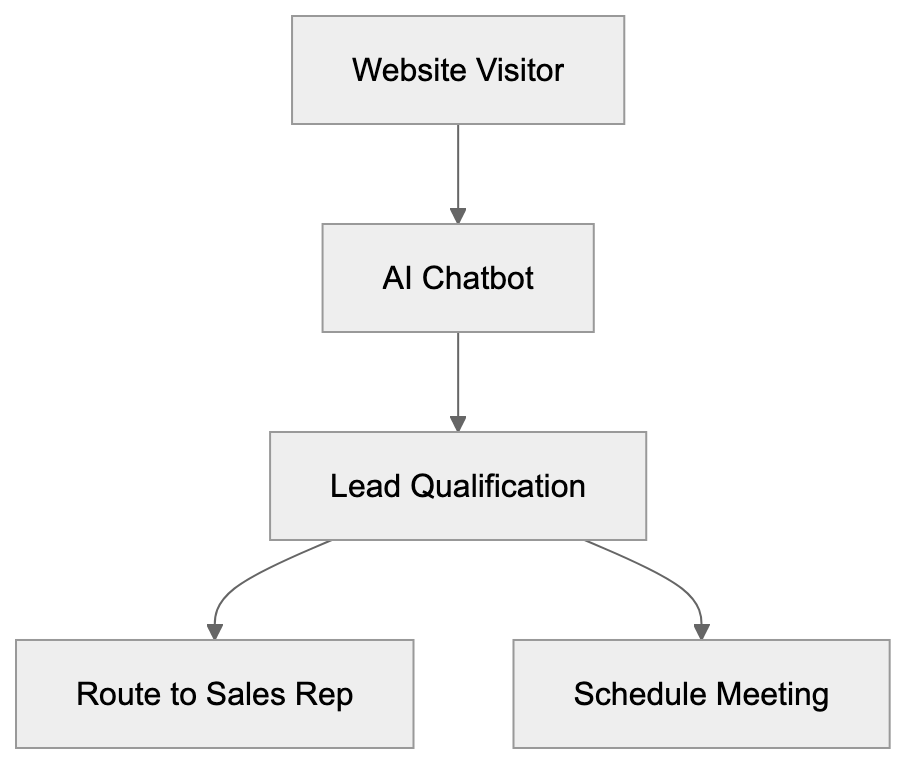
Drift AI was created to eliminate this delay and enable real-time buyer engagement. The purpose is to connect interested prospects with sales reps while they’re actively researching solutions. Speed matters in B2B sales. Studies show that responding to leads within 5 minutes significantly increases conversion rates compared to waiting hours or days.
The platform also exists to solve the lead qualification problem. Sales teams waste time on unqualified leads who aren’t ready to buy or don’t fit the ideal customer profile. Drift AI’s lead qualification automation asks qualifying questions upfront and only routes serious prospects to human reps. This means sales teams spend more time with high-value opportunities.
Another purpose is data collection and intelligence. Every conversation generates insights about what prospects care about, what questions they ask, and what objections they have. Marketing teams use this data to improve messaging and content strategy.
How Companies Use Drift AI
B2B companies deploy Drift AI across their websites to convert traffic into pipelines. Marketing teams set up chatbots on high-traffic pages like pricing, product pages, and blog posts. The bots engage visitors with personalized messages based on the page they’re viewing.
Sales development representatives use Drift AI to automate their initial outreach and qualification processes. Instead of manually researching and emailing leads, they let the B2B chatbot handle initial conversations. When a lead qualifies, the system automatically books a meeting on the rep’s calendar.
Account-based marketing teams use Drift AI to identify when target accounts visit their website. The platform can recognize companies by IP address and trigger special playbooks for high-priority accounts. Sales reps receive instant notifications when decision-makers from target companies are browsing the site.
Customer success teams also use Drift AI for existing customer support and upsell conversations. The chatbot can answer common questions, direct customers to resources, or connect them with their account manager. Some companies report reducing support ticket volume by handling routine questions through Drift AI.
The platform integrates with CRM systems like Salesforce and HubSpot. Conversation data flows automatically into these systems, creating activity records and updating lead information. This keeps sales and marketing data synchronized without manual data entry.
Lead Qualification with Drift AI
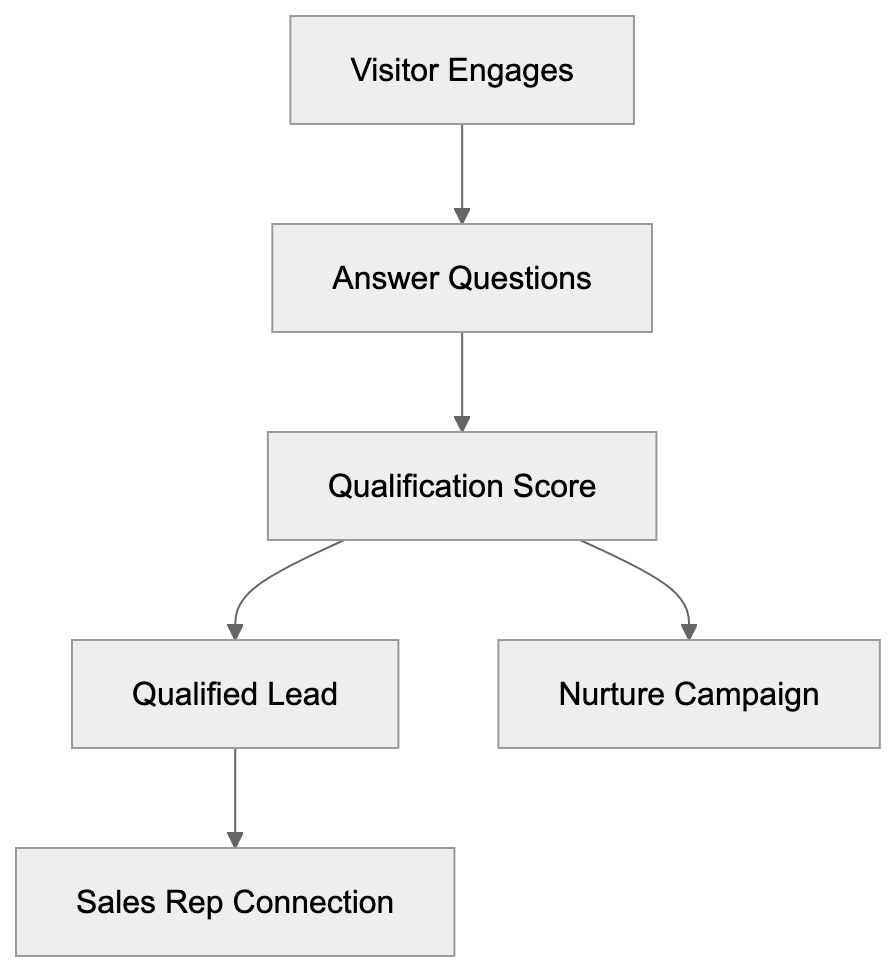
Drift AI’s lead qualification system uses conversational flows to assess prospect fit and intent. The B2B chatbot asks questions about company size, role, budget, timeline, and specific needs. Based on the answers, Drift AI assigns a qualification score to each lead.
Traditional vs Conversational Sales Process:

Companies can configure custom qualification criteria matching their ideal customer profile. For example, you might only want to route leads from companies with 50+ employees in specific industries. Drift AI checks these requirements during the conversation and filters accordingly.
The platform supports both rule-based and AI-powered qualification. Rule-based flows follow predetermined decision trees. If a visitor answers X, ask Y. If they answer Z, route to sales. AI-powered qualification uses natural language processing to understand intent even when prospects don’t follow the expected script.
Qualified leads get routed immediately while they’re still on your website. Drift AI can ping available sales reps via Slack or email and connect them to the conversation in real time. Unqualified leads might receive helpful resources or be added to a nurture campaign instead of taking up sales time.
The system also tracks engagement signals beyond just answers. Time on site, pages viewed, and company information all factor into the qualification score. This creates a more complete picture of lead quality than simple form submissions provide.
Meeting Scheduling Features
Drift AI includes built-in meeting scheduling that connects to sales reps’ calendars. When a qualified lead wants to talk, the B2B chatbot displays available time slots right in the conversation. The prospect picks a time and the meeting gets booked automatically.
The scheduling system integrates with Google Calendar, Office 365, and other calendar platforms. It respects existing appointments and only shows truly available times. Reps can set their working hours, buffer times between meetings, and blackout dates when they’re unavailable.
Round-robin routing distributes meetings evenly across team members. You can set up routing rules based on territory, product expertise, or lead characteristics. For enterprise deals, meetings might route to senior reps while smaller opportunities go to junior team members.
Drift AI sends automatic confirmation emails and calendar invites to both the prospect and the sales rep. Reminder emails go out before the scheduled meeting to reduce no-shows. If a prospect needs to reschedule, they can do so through a link without requiring back-and-forth emails.
The platform also supports instant meetings for high-priority situations. If a VP from a target account visits your pricing page, Drift AI can offer an immediate video call with an available rep. This works well for inbound leads who are ready to talk right now.
CRM Integration and Salesloft Integration
Drift AI connects with major CRM platforms to sync conversation data and lead information. The Salesforce integration is one of the strongest, supporting bi-directional data flow. Conversations become activity records, new leads get created automatically, and existing contact records get updated with chat transcripts.
The HubSpot integration works similarly, pulling contact properties into Drift AI and pushing conversation data back to HubSpot. This allows marketers to trigger workflows based on chat engagement and segment contacts by conversation topics.
Marketo users can sync Drift AI conversations with their marketing automation programs. When someone engages in a chat, they can be added to specific nurture tracks or scoring models. This connects top-of-funnel chat engagement with broader marketing campaigns.
Salesloft integration is also available, enabling sales teams to seamlessly track and nurture leads qualified through Drift AI. Custom integrations are possible through Drift AI’s API for companies using other CRM systems. The API allows developers to pull conversation data, create custom playbooks, and build unique workflows that match specific business processes.
Data mapping is configurable so you control which fields sync between systems. For example, you might map Drift AI’s qualification questions to custom fields in your CRM. This ensures all the intelligence gathered during chats flows into your existing data structure without manual entry.
Lead Qualification Flow:
Drift AI vs Alternative Chatbot Platforms
Several conversational AI platforms compete with Drift AI in the B2B space. Each has different strengths depending on company size and use case.
| Platform | Primary Focus | Starting Price | Best For | Key Difference |
|---|---|---|---|---|
| Drift AI | B2B sales acceleration | $2,500/month | Mid-market and enterprise B2B | Real-time sales rep routing |
| Intercom | Customer support and engagement | $74/month | SaaS companies | Support-first with sales features |
| Qualified | Pipeline generation for Salesforce users | Custom pricing | Salesforce-heavy orgs | Deep Salesforce native integration |
| Landbot | Visual chatbot builder | $100/month | SMBs and agencies | No-code builder with templates |
| HubSpot Chatbot | Inbound marketing and sales | Included with Marketing Hub | HubSpot users | Free with HubSpot, less advanced |
Drift AI positions itself as the premium option focused purely on revenue acceleration. The platform costs significantly more than alternatives, but offers more sophisticated routing and AI capabilities. Companies report that Drift AI works best when you have a dedicated sales team ready to respond to qualified leads in real time.
Intercom started as a customer support tool and added sales features later. It’s generally less expensive and works well for SaaS companies who need both support and sales chat. The AI isn’t as focused on lead qualification as Drift AI’s system.
Qualified targets companies deeply invested in Salesforce. The platform runs natively on Salesforce and uses Salesforce data to power conversations. It costs less than Drift AI, but requires Salesforce to function.
Landbot and HubSpot’s chatbot appeal to smaller businesses and marketing teams who want basic chat functionality without the cost. These tools lack the advanced routing and AI qualification features that enterprise sales teams need.
Drift AI Pricing and Plan Structure
Drift AI uses custom pricing based on company size and feature requirements. The platform doesn’t publish standard prices publicly, but reported pricing for the Premium plan starts around $2,500 per month when billed annually.
The entry-level Premium plan includes core conversational marketing features, email integration, and basic chatbots. It supports unlimited conversations but limits advanced features like video chat and custom bot responses.
The Advanced plan adds AI-powered playbooks, custom bot personality, and advanced routing logic. This tier also includes better reporting and analytics capabilities. Companies typically pay between $4,000 and $8,000 monthly for this level.
The Enterprise plan offers the full platform with custom integrations, dedicated support, and advanced security features. Pricing varies widely based on company size, but often exceeds $10,000 per month for larger organizations.
All plans require annual contracts. Month-to-month pricing isn’t standard. Drift AI also charges based on the number of seats for sales reps who will actively use the platform. Additional fees may apply for premium integrations or custom development work.
Companies should budget for setup and training costs beyond the software fees. Getting Drift AI fully configured and adopted typically requires several weeks of setup time.
Technical Requirements and Setup
Drift AI works through a JavaScript widget that gets embedded on your website. Setup requires adding a code snippet to your site’s header or using a tag manager like Google Tag Manager. The widget is lightweight and shouldn’t significantly impact page load times.
The platform supports all modern browsers including Chrome, Firefox, Safari, and Edge. Mobile browsers work as well since Drift AI’s interface is responsive. No special mobile app is required for website visitors, though Drift AI offers a mobile app for sales reps to manage conversations.
CRM integration setup depends on which system you’re connecting. Salesforce integration requires admin permissions to install the Drift AI package and map fields. HubSpot integration uses OAuth authentication and typically takes less technical expertise to configure.
Playbook creation happens through Drift AI’s visual builder interface. You don’t need coding knowledge to create basic conversation flows. More complex playbooks with conditional logic and API calls may require technical skills or help from Drift AI’s services team.
Drift AI processes and stores conversation data on their servers. The platform is SOC 2 certified and supports GDPR compliance features. Companies in regulated industries should review Drift AI’s security documentation to ensure it meets their requirements.
API access is included in higher-tier plans for custom integrations. The REST API uses standard authentication and supports common operations like creating contacts, updating playbooks, and pulling conversation transcripts.
Reporting and Analytics Features
Drift AI provides analytics dashboards tracking conversation volume, conversion rates, and sales outcomes. The reporting shows how many conversations started, what percentage got qualified, and how many turned into booked meetings.
Revenue attribution reports connect conversations to closed deals. When a contact who chatted with Drift AI eventually becomes a customer, the platform tracks that and attributes revenue accordingly. This helps prove ROI and justify the platform cost.
Playbook performance metrics show which conversation flows work best. You can see completion rates, drop-off points, and average time to qualification for each playbook. This data helps improve your chat strategy over time.
Rep performance reports track individual sales rep response times and conversation outcomes. Managers can see who’s converting chats into meetings most effectively and identify coaching opportunities. The system also monitors availability to make sure leads aren’t falling through because reps are offline.
Custom reports can be built using Drift AI’s reporting interface or by exporting data to external business intelligence tools. The platform supports scheduled email reports so stakeholders get regular updates without logging in.
Conversation transcripts are searchable and taggable. Marketing teams often mine these transcripts for customer language, pain points, and objections to inform messaging strategy.
Best Practices for Drift AI Setup
Successful Drift AI implementations start with clear goals and qualification criteria. Define exactly what makes a qualified lead before building playbooks. This ensures the AI routes only genuine opportunities to sales reps.
Start with simple playbooks and add complexity gradually. A basic qualification flow is better than an overly complex one that confuses visitors. Test each playbook thoroughly before deploying it to high-traffic pages.
Set clear expectations with your sales team about response times. Drift AI works best when reps can respond within minutes. If your team can’t commit to fast responses, consider using meeting scheduling instead of live routing.
Customize the chatbot personality to match your brand voice. Generic corporate language feels robotic. Successful companies make their bots sound helpful and conversational rather than salesy.
Monitor conversations regularly in the first few weeks. Look for questions the bot can’t answer and add those responses to your knowledge base. Watch for points where visitors drop off and improve those conversation steps.
Integrate Drift AI data with your existing reporting. Sales and marketing should review chat analytics alongside other channel metrics. This provides a complete view of what’s driving pipeline and revenue.
Train both sales and marketing teams on how to use Drift AI effectively. Sales needs to understand how to jump into conversations and follow up properly. Marketing needs to know how to build and improve playbooks.
Common Challenges and Limitations
Drift AI’s premium pricing puts it out of reach for many small businesses and startups. The platform works best for companies with established sales teams and significant website traffic. Lower-traffic sites may not generate enough conversations to justify the cost.
The tool requires active sales rep participation to work well. If your team isn’t ready to respond quickly to leads, Drift AI’s real-time routing loses its value. Some companies struggle with adoption when reps don’t change their work habits.
Complex B2B sales cycles may not fit neatly into Drift AI’s qualification flows. When deals involve multiple stakeholders and long evaluation periods, a quick chat conversation can’t fully qualify the opportunity. The platform works better for products with shorter sales cycles.
International companies may face language limitations. While Drift AI supports multiple languages, the AI’s natural language processing works best in English. Non-English conversations may require more manual configuration.
Integration depth varies by CRM platform. Salesforce users get the most robust integration features while other CRM users may find limitations. Custom CRMs require API development work to connect properly.
The platform generates significant conversation volume that someone needs to manage. Companies sometimes underestimate the time required to monitor chats, update playbooks, and analyze results. Plan for ongoing resource commitment beyond just the software cost.
Conclusion
Drift AI is a conversational marketing platform designed specifically for B2B sales and marketing teams who want to accelerate pipeline generation. The tool replaces traditional web forms with real-time chat experiences that qualify leads and book meetings automatically. Companies use Drift AI to reduce response times, improve conversion rates, and give sales reps more time with qualified opportunities. The platform integrates with major CRM systems and provides detailed analytics on conversation performance. While Drift AI’s premium pricing targets mid-market and enterprise companies, it delivers significant value for organizations with active sales teams and substantial website traffic.
Frequently Asked Questions
How does Drift AI improve lead qualification?
Drift AI streamlines lead qualification by using conversational flows to assess visitor fit and intent. The chatbot engages prospects with precise questions about critical factors like company size and budget, enabling businesses to filter out unqualified leads efficiently.
What are the setup requirements for Drift AI?
Drift AI requires adding a JavaScript snippet to your website's header or managing it through a tag manager. It supports all modern browsers and is designed to be lightweight, ensuring minimal impact on page load speeds.
Is Drift AI suitable for small businesses?
While Drift AI can benefit small businesses, its premium pricing and the need for a dedicated sales team make it more suitable for mid-market and enterprise B2B companies. Lower-traffic sites might not generate sufficient conversation volume to justify the investment.
Can Drift AI integrate with other software platforms?
Yes, Drift AI integrates seamlessly with major CRM systems like Salesforce and HubSpot, as well as marketing automation tools such as Marketo. For companies using other CRM systems, custom integrations are possible through Drift AI's API.
What types of analytics does Drift AI offer?
Drift AI provides a range of analytics, including conversation volume, conversion rates, and revenue attribution reports linking chats to closed deals. These insights help businesses assess the effectiveness of their conversational marketing strategies.
How does Drift AI handle meeting scheduling?
Drift AI includes built-in meeting scheduling that syncs with sales reps' calendars, displaying available time slots for qualified leads directly within conversations. This feature helps automate the booking process and reduces no-shows with reminder emails.
What is the training process for using Drift AI effectively?
Training involves educating both sales and marketing teams on how to leverage Drift AI. Sales reps need to understand engagement dynamics and follow-up practices, while marketing teams must know how to create and refine effective chat playbooks.
Track Your AI Visibility
See how AI chatbots like ChatGPT, Claude, and Perplexity discover and recommend your brand.