Woebot Guide: CBT Mental Health Chatbot Features & Facts
Learn about Woebot's CBT approach, FDA designation, privacy features, and how this mental health AI chatbot works for therapy support.
Introduction
Woebot is a mental health chatbot that uses cognitive behavioral therapy techniques. This cognitive behavioral therapy chatbot provides automated conversations to help users manage anxiety, depression, and other mental health challenges. Mental health AI tools like Woebot offer solutions because traditional therapy can be expensive and hard to access. These chatbots offer 24/7 support at lower costs compared to human therapists. Developed by clinical psychologists and AI researchers, Woebot delivers CBT exercises through text conversations, tracks mood patterns, and teaches coping strategies, as detailed in a PubMed study. It gained FDA Breakthrough Device designation in 2020 for its approach to postpartum depression. Users interact with Woebot through a messaging interface similar to texting a friend.
What is Woebot and How It Works
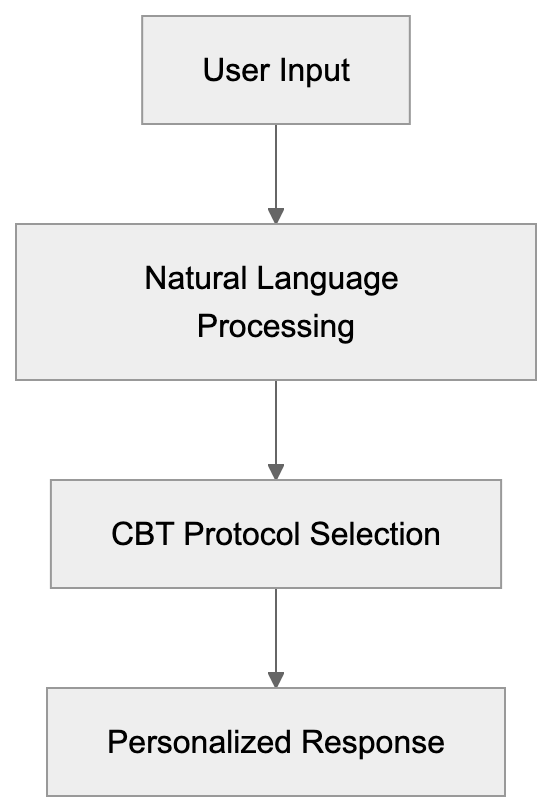
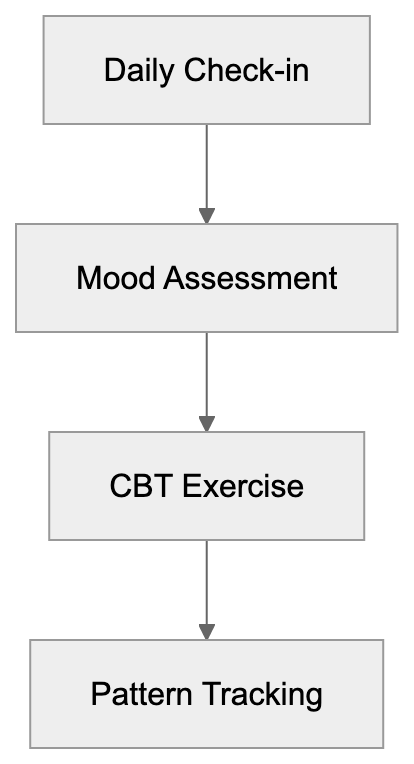
Woebot is a cognitive behavioral therapy chatbot that delivers CBT techniques through text conversations on mobile apps for iOS and Android. Users type messages and receive immediate responses from the AI therapy bot. The chatbot asks questions about mood, thoughts, and behaviors, then provides CBT-based exercises and techniques. It mimics natural human dialogue but follows structured therapy protocols. Woebot checks in daily with users and tracks their emotional patterns over time, using natural language processing to understand inputs and respond with content based on clinical therapy frameworks. Sessions typically last 5 to 15 minutes, building on past conversations. Woebot works as a supplemental tool, not replacing human therapists, and functions entirely through text without voice or video features.
How Woebot Works:
Why Woebot Exists and Its Core Purpose
Mental health services worldwide face significant access problems. According to the National Institute of Mental Health, over 50% of people with mental illness don’t receive treatment. Cost barriers, geographic limitations, and long wait times hinder therapy access. Woebot addresses these gaps by providing immediate support without appointments or waiting rooms, at a lower cost than traditional therapy sessions. Consistently available at any hour, the mental health app offers help during crises or late nights when therapists aren’t available. Woebot serves as a bridge between therapy sessions or an entry point for those hesitant about traditional treatment, aiming to normalize mental health conversations and reduce stigma.
How Woebot is Used in Practice
Healthcare organizations and individuals use Woebot differently based on needs. Some employers offer Woebot as an employee benefit program. Universities provide access to students through campus health services. Individuals download the app directly for personal use. In clinical settings, Woebot is sometimes integrated as homework between therapy sessions. The chatbot guides users through mood tracking and thought pattern recognition, teaching specific CBT techniques like cognitive restructuring and behavioral activation. Users complete brief daily check-ins to report current emotions, and Woebot responds with relevant exercises or psychoeducation content. The system identifies patterns in user responses over time.
Mental Health Care Access Gap:

Clinical Validation and FDA Recognition
Woebot has undergone multiple clinical studies to validate its effectiveness, including a 2017 study involving college students using Woebot for two weeks, published in JMIR Mental Health. Participants showed decreased depression compared to a control group using an ebook. A 2021 study assessed Woebot’s impact on healthcare workers during the pandemic, indicating reduced anxiety and improved resilience. The FDA granted Woebot Breakthrough Device designation in 2020, specifically for its postpartum depression application. This designation allows for closer collaboration with the FDA during development, although it is not the same as FDA approval or clearance.
Privacy and Data Protection Features
Woebot collects conversation data to function and improve its services, with privacy policies indicating that de-identified data may be used for research and product improvement, as noted in a PubMed study. Personal health information is encrypted during transmission and storage. User conversations are not shared with employers or insurance companies in most implementations. Woebot privacy policies indicate that de-identified data may be used for research and product improvement. Users can delete their accounts to remove personal information from active systems. While HIPAA compliance specifics cannot be independently verified, privacy protection levels vary based on Woebot access methods. The company does not record or store voice data since all exchanges are text-based, and a published privacy policy details data collection and usage practices.
Typical Woebot Session Flow:
Woebot Compared to Similar Mental Health AI Tools
Several mental health chatbots compete in this space with different approaches. Here’s how Woebot compares to major alternatives:
| Tool | Therapy Approach | FDA Status | Cost Model | Key Difference |
|---|---|---|---|---|
| Woebot | CBT focused | Breakthrough Device designation | Subscription or enterprise | Strong clinical research backing |
| Wysa | CBT, DBT, meditation | No FDA designation | Freemium with paid coaching | Includes human coach option |
| Replika | Conversational AI | No FDA designation | Freemium | Social companion, not therapy focused |
| Youper | CBT with mood tracking | No FDA designation | Freemium | Emphasis on emotional health tracking |
| Tess | Multiple therapy models | No FDA designation | Enterprise only | Integrates with existing care systems |
Woebot distinguishes itself through published clinical research and FDA recognition, focusing specifically on evidence-based CBT techniques. Other platforms like Replika prioritize general conversation over structured therapy. Wysa offers similar CBT features but includes optional human coaching at higher price points. Youper emphasizes mood analytics alongside therapeutic conversations. Tess primarily serves healthcare organizations rather than direct consumer access.
Limitations Compared to Human Therapy
Woebot cannot provide the full range of services human therapists offer. The chatbot follows programmed pathways and cannot truly understand complex human emotions or pick up on subtle cues. Human therapists build deep relationships that inform treatment decisions and can recognize when a client needs a different intervention. Woebot operates within predetermined conversation trees despite appearing conversational. It cannot handle severe mental health crises effectively, requiring human clinical expertise for complex trauma, severe personality disorders, and psychotic conditions. The chatbot also cannot prescribe medications or provide formal diagnoses. Automated systems may miss cultural details and individual life contexts.
Subscription Options and Access Methods
Woebot offers different access paths depending on the user type. Individual consumers can download the mobile app from iOS or Android stores. A basic version provides limited features at no cost, while full access requires a monthly subscription, currently priced around $39. Enterprise customers, including employers and healthcare systems, negotiate custom pricing. These implementations often include additional analytics and combining features. Some health insurance plans have begun covering Woebot as a mental health benefit. University students may receive free access through campus health programs. The Department of Veterans Affairs has piloted Woebot for veteran mental health support. No long-term contracts are required for individual subscriptions.
Technical Requirements and Compatibility
Woebot runs on smartphones and tablets with iOS or Android operating systems. The app requires internet connectivity to function, as conversations process on remote servers. The minimum iOS version needed is typically iOS 13 or higher, and Android users need version 8.0 or above. The app file size is approximately 50 to 100 MB depending on the platform. Data usage per session is minimal since exchanges are text-based. The interface supports accessibility features, including screen readers for visually impaired users. Woebot does not currently offer a web browser version, with all functionality existing within the mobile application.
Conclusion
Woebot represents a significant development in mental health AI technology. The chatbot delivers cognitive behavioral therapy techniques through automated text conversations, receiving FDA Breakthrough Device designation for postpartum depression applications. Clinical studies demonstrate effectiveness in reducing depression and anxiety symptoms. The tool addresses access barriers in mental health care, including cost and availability. Privacy protections include encryption and HIPAA compliance, though users should review specific terms. Compared to human therapy, Woebot offers 24/7 availability but lacks the depth of human clinical judgment, working best as supplemental support rather than a complete replacement for traditional care. Several competitors exist in the mental health chatbot space, with Woebot distinguishing itself through research backing and structured CBT methodology. Access options include individual subscriptions and enterprise implementations.
Frequently Asked Questions
What types of mental health issues can Woebot help with?
Woebot is designed to assist users with managing anxiety, depression, and other mental health challenges using cognitive behavioral therapy techniques. Its interactive approach allows users to explore their thoughts, feelings, and behaviors, making it a valuable tool for emotional support.
Is Woebot a replacement for traditional therapy?
No, Woebot is not intended to replace traditional therapy. It functions as a supplemental tool, providing immediate support and resources, but it cannot replicate the depth of understanding and personalized treatment that human therapists offer, particularly in complex cases.
How much does it cost to use Woebot?
Woebot offers a basic version that is free with limited features. For full access, there is a monthly subscription fee, which is currently priced around $39. Some employers and healthcare systems may cover costs as part of employee benefits or mental health programs.
How does Woebot ensure user privacy and data protection?
Woebot employs encryption to protect personal health information during data transmission and storage. User conversations are not shared with employers or insurance companies, and users have the option to delete their accounts to remove personal information from active systems.
Can I access Woebot from a computer?
No, Woebot currently operates exclusively through mobile apps available on iOS and Android. There is no web browser version at this time, although future updates may introduce more access options.
How does Woebot track my progress?
Woebot checks in daily to monitor your mood and helps track emotional patterns over time. By analyzing your responses, it provides relevant exercises and techniques, allowing you to see changes and improvements in your mental health.
Is Woebot effective based on research?
Yes, Woebot has undergone multiple clinical studies demonstrating its effectiveness in reducing symptoms of anxiety and depression. The chatbot has received FDA Breakthrough Device designation, particularly for its application in treating postpartum depression, indicating strong clinical backing.
Track Your AI Visibility
See how AI chatbots like ChatGPT, Claude, and Perplexity discover and recommend your brand.