AdBeat: Advertising Intelligence Crawler Guide
Learn about AdBeat's crawler for competitive ad analysis and tracking. Discover user-agent strings, use cases, and blocking options.
Table of Contents
- What AdBeat Is and Why It Matters
- How AdBeat’s Crawler Works
- Why Companies Use AdBeat
- AdBeat User-Agent String and Technical Details
- How to Block AdBeat Crawler
- AdBeat Compared to Alternative Tools
- Privacy and Data Collection Concerns
- Practical Use Cases for Different Business Types
- Technical Considerations for Web Developers
- Conclusion
- What AdBeat Is and Why It Matters
- How AdBeat’s Crawler Works
- Why Companies Use AdBeat
- AdBeat User-Agent String and Technical Details
- How to Block AdBeat Crawler
- AdBeat Compared to Alternative Tools
- Privacy and Data Collection Concerns
- Practical Use Cases for Different Business Types
- Technical Considerations for Web Developers
- Conclusion
What AdBeat Is and Why It Matters
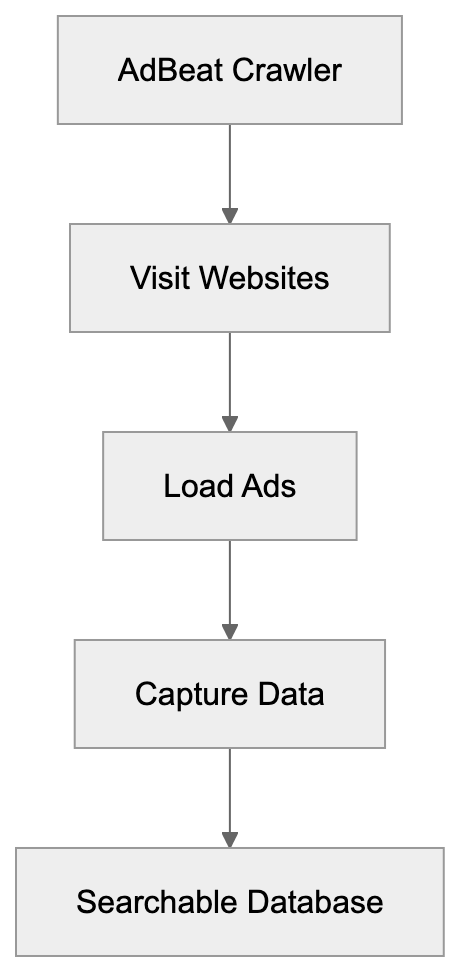
AdBeat is an advertising intelligence platform that crawls the web to collect data about digital ads. The service helps marketers and advertisers understand what their competitors are doing with their ad campaigns. AdBeat’s crawler visits websites and records the advertisements that appear on those sites. This data gets organized into a searchable database that subscribers can access. The platform tracks display ads, native ads, and various other ad formats across millions of websites. Marketing professionals use this information to make informed decisions about their own advertising strategies.
AdBeat serves both agencies and in-house marketing teams that need competitive research. The tool exists because digital advertising is a multi-billion dollar industry where knowing what works for competitors can save time and money. Without tools like AdBeat, marketers would need to manually visit thousands of websites to research competitor ad strategies.
How AdBeat’s Crawler Works
The AdBeat crawler is a bot that visits websites to record advertising data. It works similarly to how search engine crawlers like Googlebot visit sites to index content. The ad crawler identifies itself through specific user-agent strings in its HTTP requests. When AdBeat’s bot visits a webpage, it loads the page just like a regular browser would. The system then captures screenshots and records details about the ads that appear on that page. This includes the ad creative, the advertiser, the ad network being used, and placement information.
AdBeat Data Collection Process:
The crawler needs to visit sites repeatedly because ads change frequently based on targeting, time of day, and available inventory. AdBeat processes this data and adds it to its database where subscribers can search and analyze it. The crawler respects robots.txt files if website owners want to block it. Website administrators can identify AdBeat traffic by looking for its distinctive user-agent string in their server logs.
Why Companies Use AdBeat
Marketing teams use AdBeat to spy on competitor advertising strategies legally. The platform shows which ads competitors are running, where they’re placing them, and how long campaigns last. This helps businesses understand market trends without guessing. Agencies use AdBeat to win new clients by showing prospects what their competitors are doing better.
Media buyers use the platform to find new advertising opportunities by seeing where competitors get good results. AdBeat helps estimate competitor ad spend, though these are approximations based on rate cards and observed frequency. Small businesses can use it to level the playing field against larger competitors with bigger budgets. The data helps avoid wasting money on ad placements that don’t work well in a specific industry. Companies also use AdBeat for brand monitoring to see if affiliates or partners are using approved creatives. Performance marketers use it to reverse-engineer successful campaigns by seeing which ads run longest.
AdBeat User-Agent String and Technical Details
The AdBeat crawler identifies itself with a specific user-agent string in HTTP requests. Website owners can find this string in their server access logs. The typical AdBeat user-agent looks something like this: “Mozilla/5.0 (compatible; Adbeatbot/1.0; +http://www.adbeat.com)”. Some variations may exist depending on the crawler version or specific crawling task.
The crawler makes HTTP and HTTPS requests to websites just like regular browsers. It can execute JavaScript to record ads that load dynamically. The bot typically crawls from multiple IP addresses to distribute the load. Website owners who want to identify AdBeat traffic should look for the “AdBeat” or “adbeat.com” string in their logs. The crawler generally follows standard web protocols and respects rate limiting. It doesn’t typically cause server load issues for most websites. The frequency of visits depends on how often ads change on a particular site.
How AdBeat Crawler Operates:

How to Block AdBeat Crawler
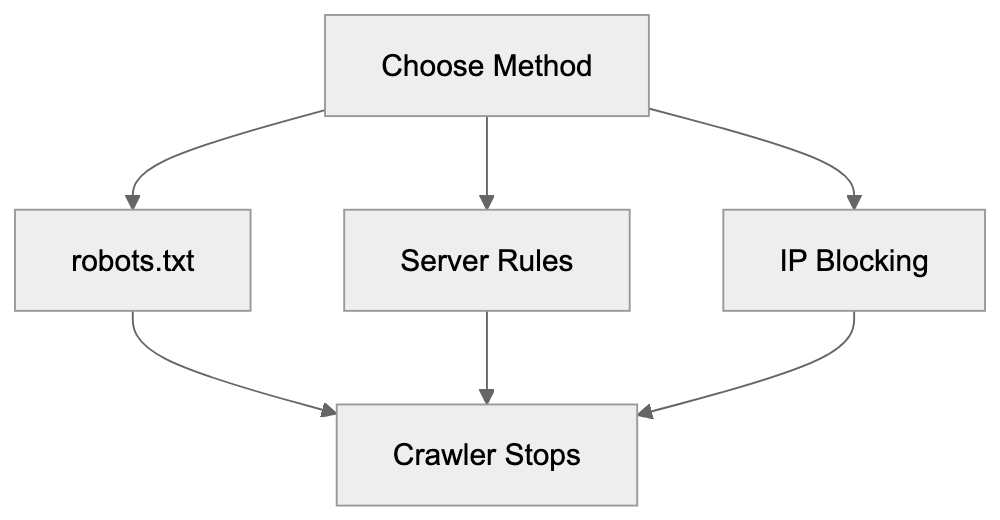
Website owners can block AdBeat’s crawler if they don’t want their ads indexed. The most common method is adding rules to the robots.txt file. You can add these lines to your robots.txt:
User-agent: AdBeat
Disallow: /
This tells the AdBeat crawler not to access any part of your site. The crawler should respect this directive and stop visiting, but robots.txt is a voluntary protocol, and not all crawlers follow it perfectly. For stricter blocking, you can configure your web server to reject requests containing the AdBeat user-agent string.
In Apache, you can use mod_rewrite rules in your .htaccess file. In Nginx, you can add conditional rules to your server configuration. Some website owners choose to block specific IP ranges associated with AdBeat. You can also use a web application firewall to filter out AdBeat requests. Keep in mind that blocking AdBeat won’t stop competitors from seeing your ads through other means. They can still visit your site manually or use other intelligence tools. The decision to block depends on whether you value privacy over the possibility of being discovered by potential partners.
AdBeat Compared to Alternative Tools
AdBeat isn’t the only advertising intelligence platform available. Several competitors offer similar services with different features and pricing. Here’s how AdBeat compares to major alternatives:
| Tool | Primary Focus | Coverage | Key Difference |
|---|---|---|---|
| AdBeat | Display and native ads | Millions of sites globally | Strong on publisher discovery |
| SEMrush | PPC and search ads | Google Ads focused | Better for search advertising |
| SpyFu | Competitor keywords | Search engines primarily | Specializes in PPC keywords |
| Moat | Ad creative analysis | Display and video | Owned by Oracle, enterprise focus |
| Pathmatics | Digital ad intelligence | Display, video, social | Strong mobile app coverage |
| Adthena | Paid search intelligence | Search ads mainly | Real-time bidding ideas |
AdBeat tends to excel at finding where competitors place display ads across publisher networks. SEMrush is generally better if your focus is search engine marketing and Google Ads. SpyFu provides deeper keyword intelligence for PPC campaigns. Moat offers more detailed creative analysis and is commonly used by agencies. Pathmatics provides better coverage of mobile app advertising. Adthena focuses specifically on paid search with competitive bidding data. Most serious marketers use multiple tools because each has strengths in different areas. AdBeat’s pricing is generally in the mid to high range compared to alternatives. The choice depends on whether you need display ad intelligence or search advertising data.
Privacy and Data Collection Concerns
AdBeat collects publicly visible advertising data by crawling websites. This raises questions about privacy even though the ads are already public. The platform doesn’t collect personal user data or track individual browsing behavior. What AdBeat captures is what anyone could see by visiting the same websites, but they automate and organize this data at massive scale.
Some advertisers prefer their strategies remain less visible to competitors. Publishers sometimes dislike having their ad inventory and rates estimated publicly. AdBeat’s terms of service govern how subscribers can use the collected data. The company operates within legal boundaries since they’re only accessing public web content. Website owners who object can use robots.txt or other blocking methods. There’s ongoing debate in the industry about the ethics of competitive intelligence tools. Some see it as legitimate research while others view it as unfair surveillance. The reality is that advertising intelligence has become standard practice in digital marketing. Companies need to assume their public ad campaigns will be analyzed by competitors.
Practical Use Cases for Different Business Types
Blocking AdBeat Implementation:
 Small businesses can use AdBeat to find affordable advertising opportunities their competitors discover. By seeing where similar businesses advertise successfully, they avoid expensive trial and error. E-commerce companies use it to track seasonal advertising patterns in their niche.
Agencies use AdBeat in client pitches to demonstrate competitive gaps and opportunities. Media buyers use the platform to negotiate better rates by understanding market pricing. Affiliate marketers use it to find which offers are being promoted heavily. Brand managers use AdBeat to monitor unauthorized use of their trademarks in ads. Publishers use competitive research to see what ad formats work best in their category. SaaS companies track competitor positioning and messaging across different channels. The platform helps identify emerging competitors before they become major threats. Marketing teams use historical data to understand which campaigns ran longest, indicating success.
Technical Considerations for Web Developers
Web developers should understand how advertising crawlers like AdBeat interact with their sites. The crawler needs to execute JavaScript to see dynamically loaded ads. This means simple HTML parsing won’t record everything AdBeat sees. If your site uses heavy JavaScript frameworks, make sure ads render properly for crawlers.
Server-side rendering can help make sure ads are visible to crawling bots. Developers implementing ad blocking for AdBeat need to test thoroughly. Blocking rules that are too aggressive might accidentally block legitimate traffic. Log analysis tools should account for crawler traffic in analytics. AdBeat visits shouldn’t be counted as regular user traffic in conversion metrics. Some sites use AJAX to load ads after the initial page load. The AdBeat crawler is sophisticated enough to wait for these to render. Developers working on ad-heavy sites should monitor crawler traffic patterns. Unusual spikes might indicate issues or changes in crawler behavior. Understanding crawler behavior helps improve site performance and ad delivery.
Conclusion
AdBeat provides advertising intelligence through web crawling technology that captures competitor ad data. The platform serves marketers, agencies, and businesses that need competitive ad analysis. Its crawler visits websites to record advertisements and organize this data into a searchable database. Website owners can identify AdBeat through its user-agent string and block it using robots.txt or server configurations.
The tool competes with platforms like SEMrush, SpyFu, and Moat, each with different strengths. AdBeat excels at display and native ad intelligence across publisher networks. Companies use it for competitive research, media buying, and strategic planning. While it raises some privacy concerns, the platform only collects publicly visible information. Understanding tools like AdBeat helps both marketers who use them and web developers who manage sites they crawl. The advertising intelligence category continues growing as digital marketing becomes more competitive and data-driven.
Frequently Asked Questions
What types of ads does AdBeat track?
AdBeat tracks a variety of ad formats including display ads, native ads, and other digital advertising formats across millions of websites. This allows users to see how competitors are advertising on multiple platforms.
Can I use AdBeat for my small business?
Yes, small businesses can benefit from AdBeat by identifying affordable advertising opportunities that competitors successfully use. This data can help small businesses avoid costly trial and error in their ad placements.
How often does AdBeat's crawler visit websites?
The crawler visits sites repeatedly due to the frequent changes that occur in ad content based on targeting, timing, and inventory availability. This ensures that the data in the AdBeat database is up-to-date and accurate for its subscribers.
What should website owners do if they want to block AdBeat's crawler?
Website owners can block AdBeat by adding specific rules to their robots.txt file or configuring their web server to reject requests containing the AdBeat user-agent string. This action will prevent the crawler from accessing their site's ads.
How does AdBeat compare to other advertising intelligence tools?
AdBeat focuses primarily on display and native ads, making it strong in publisher discovery. Other tools like SEMrush and SpyFu specialize in PPC and keyword intelligence, while Moat focuses on ad creative analysis. The choice of tool depends on specific marketing needs.
Are there privacy concerns associated with using AdBeat?
While AdBeat collects publicly visible data from ads, it does not track personal user data or browsing behavior. The data captured is what anyone can see, but some advertisers prefer to keep their strategies less visible, prompting the use of blocking methods.
What technical considerations should developers keep in mind regarding AdBeat?
Developers should ensure that their ads render correctly for crawlers, especially if using JavaScript frameworks. The AdBeat crawler can execute JavaScript, so server-side rendering may improve visibility. Properly managing access logs is also essential for accurate traffic analysis.