ByteDance-Frontpage: AI Crawler for News Aggregation
Learn about ByteDance-Frontpage crawler for Toutiao news aggregation. Discover its user-agent, blocking methods, and how it collects content.
What is ByteDance-Frontpage
ByteDance-Frontpage is a web crawler operated by ByteDance, the company behind TikTok and other popular apps. This ByteDance bot, known for its news scraping capabilities, crawls websites to collect news articles and content for ByteDance’s news aggregation services. The primary service using this AI crawler is Toutiao, a massive news and content recommendation platform in China.
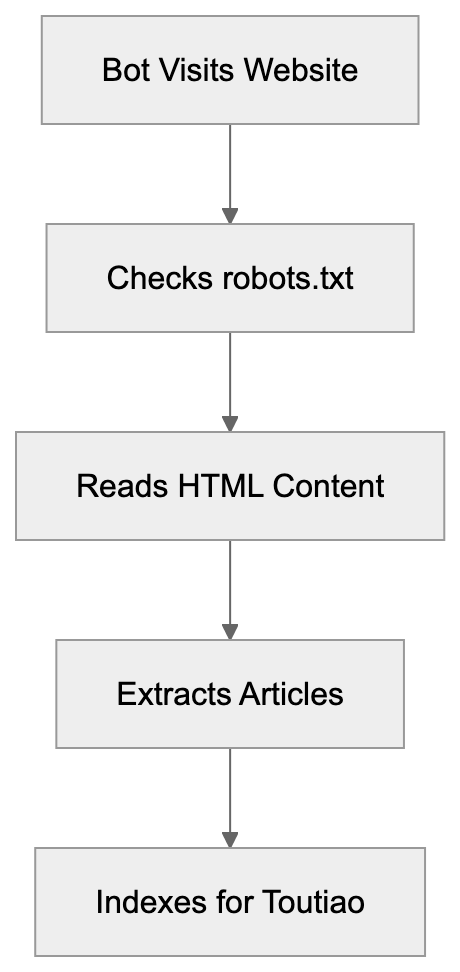
The Toutiao crawler automatically visits websites, reads their content, and indexes it for the Toutiao app. Similar to how Google crawls websites for search results, ByteDance-Frontpage serves a similar purpose for news aggregation. Web crawlers like this exist because content platforms need fresh articles and news to show their users. Automated bots, rather than manually adding content, continuously scan the web. For website owners and developers, understanding which bots, like ByteDance-Frontpage, visit is important, as some bots provide value while others might not.
Why ByteDance-Frontpage Exists
ByteDance-Frontpage Ecosystem:
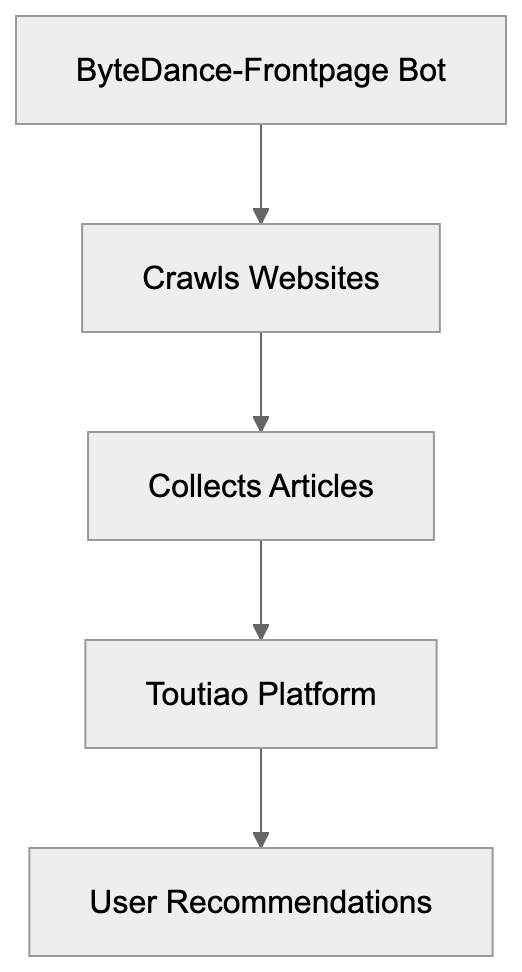
The primary reason for this news aggregation bot’s existence is to power Toutiao’s content recommendation engine. Toutiao is a highly popular news app with over 300 million daily active users, requiring constant access to fresh news articles from across the web. Since it’s impossible for ByteDance to manually curate all this content, it built an automated system.
The ByteDance bot visits news sites, blogs, and other content sources to gather articles, similar to how Googlebot-News operates for Google’s news aggregation. Once collected, Toutiao’s AI algorithms analyze and recommend these articles to users based on their interests. Without the ByteDance-Frontpage bot, services like Toutiao couldn’t scale. It helps ByteDance maintain a comprehensive content library, which is essential for staying competitive, increasing user engagement, and driving ad revenue.
How ByteDance-Frontpage Works
The ByteDance-Frontpage identifies itself through a specific user-agent string when visiting websites, typically looking like Mozilla/5.0 (Linux; Android 6.0.1; SM-G920V Build/MRA58N) AppleWebKit/537.36 (KHTML, like Gecko) Mobile Safari/537.36 (compatible; Bytedance-Frontpage). This string informs web servers that the visitor is ByteDance’s AI crawler, not a regular user.
News Aggregation Process:

The bot follows links across websites, reads HTML content, and extracts articles while respecting the robots.txt file if configured properly. Website administrators can control crawler access through robots.txt directives. The crawler mainly focuses on news sites, blogs, and content publishers, ignoring e-commerce sites.
User-Agent and Technical Details
The ByteDance-Frontpage user-agent string is the key identifier for this crawler, which can be managed through robots.txt directives. Website logs will show this string in access records when the bot visits. The user-agent appears to mimic mobile browsers, but the essential part is the (compatible; Bytedance-Frontpage) section at the end, explicitly identifying the crawler.
Server administrators can create specific rules to manage the crawler. The ByteDance bot typically originates from IP addresses linked to ByteDance’s infrastructure, found mainly in data centers. Some analytics tools can filter out crawler traffic using the user-agent string, ensuring visitor statistics remain accurate.
Blocking ByteDance-Frontpage
Web Crawling Workflow:
Website owners may choose to block ByteDance-Frontpage for several reasons, such as not wanting their content aggregated or concerns about server load from frequent crawling. The most common method to block this crawler is using a robots.txt file:
User-agent: Bytedance-Frontpage
Disallow: /
This directive instructs the crawler to avoid accessing any part of the site, provided it respects robots.txt rules. Alternatively, server-level blocking using .htaccess or nginx configuration can be employed. Many content management systems offer built-in bot-blocking features, such as WordPress plugins like Wordfence.
ByteDance-Frontpage vs Other News Crawlers
Understanding ByteDance-Frontpage’s position among news aggregation crawlers is important for making informed decisions about crawler access. Here’s a comparison of popular news aggregation bots:
| Crawler Name | Parent Company | Primary Service | Robots.txt Respect | Traffic Benefit |
|---|---|---|---|---|
| ByteDance-Frontpage | ByteDance | Toutiao | Yes | Low |
| Googlebot-News | Google News | Yes | High | |
| Bingbot | Microsoft | Bing News | Yes | Medium |
| Apple-News | Apple | Apple News | Yes | Medium |
| FacebookBot | Meta | Yes | Medium |
Googlebot-News is valuable because it can drive significant referral traffic. In contrast, ByteDance-Frontpage mainly serves Toutiao users and may not drive much traffic back to original sources. Understanding these differences helps website owners make choices regarding crawlers.
Impact on Website Performance
Crawler traffic can impact your site’s performance and server resources. ByteDance-Frontpage makes regular requests, consuming bandwidth and processing power. For small sites on shared hosting, this might cause issues. Monitoring server logs and bandwidth usage can help detect crawler impact.
If issues arise, consider implementing rate limiting through your web server, ensuring no single bot overwhelms resources. CDNs like Cloudflare can cache content, mitigating the impact of repeated crawler visits.
Content Rights and Aggregation Concerns
When ByteDance-Frontpage crawls your site, it collects content for use in Toutiao, raising questions about content rights and fair use. Understanding the implications of allowing the ByteDance bot to crawl your site is essential. Blocking access is within your rights if uncomfortable with content aggregation.
Monitoring Crawler Activity
Tracking which crawlers visit your site and their frequency is vital. Examining server logs for ByteDance-Frontpage entries can reveal visit patterns. Many analytics platforms report on bot traffic separately, aiding in understanding crawler activities and informing content strategies.
Privacy and Data Collection
ByteDance-Frontpage collects publicly accessible content from websites, generally considered legal. The crawler reads articles, metadata, and images but doesn’t access protected content behind paywalls or login walls. Ensuring proper access controls, authentication, and robots.txt directives can protect sensitive content from the ByteDance-Frontpage bot.
Alternative Approaches to News Distribution
Besides crawlers, platforms offer partnerships or APIs for content submission. Google News, Apple News, and others provide channels for controlled content sharing. Using RSS feeds can also syndicate content on your terms, while content licensing agreements with aggregators offer another strategy.
End
ByteDance-Frontpage plays a specific role in the content ecosystem, collecting news and articles for Toutiao. As a news aggregation bot similar to others, it respects robots.txt and uses a specific user-agent string for identification.
Website owners control whether to allow or block the Toutiao crawler. Consider server resources and content strategy when making this decision. While ByteDance-Frontpage might not drive referral traffic like other aggregators, it broadens content exposure on Toutiao. Understanding the operations of ByteDance’s AI crawler helps in shaping your website’s crawler policies.
Frequently Asked Questions
What is the purpose of ByteDance-Frontpage?
ByteDance-Frontpage is designed to collect news content for the Toutiao app, which serves over 300 million daily active users. It automates the process of gathering articles, allowing Toutiao to provide fresh content tailored to users’ interests.
How does ByteDance-Frontpage identify itself?
The crawler identifies itself using a specific user-agent string that includes '(compatible; Bytedance-Frontpage)'. This string is essential for web servers to distinguish between normal user traffic and requests from the crawler.
Can website owners control ByteDance-Frontpage access?
Yes, website owners can manage ByteDance-Frontpage's access through the robots.txt file. This directive allows them to block or allow the crawler based on their preferences.
What issues might ByteDance-Frontpage cause for smaller websites?
For smaller websites, frequent requests from ByteDance-Frontpage could consume bandwidth and server resources, potentially slowing down site performance. Monitoring server logs and implementing rate-limiting strategies can help mitigate these issues.
What are the legal implications of allowing ByteDance-Frontpage to crawl my site?
Allowing ByteDance-Frontpage to crawl your site raises concerns about content rights and fair use. If you are uncomfortable with your content being aggregated, you have the right to block the crawler from accessing your site.
How can I monitor ByteDance-Frontpage's activity on my site?
You can monitor ByteDance-Frontpage by examining your server logs for requests containing its user-agent string. Many analytics platforms also offer insights on bot traffic, providing a clearer picture of crawler activity.
What alternatives exist for content distribution aside from crawlers?
Alternative methods for content distribution include partnerships with platforms, using APIs for content submission, and employing RSS feeds for syndication. Content licensing agreements with aggregators can also provide controlled dissemination of your material.
Track Your AI Visibility
See how AI chatbots like ChatGPT, Claude, and Perplexity discover and recommend your brand.