Understanding Grapeshot: Oracle's AI Content Classification
Complete guide to Grapeshot bot, Oracle's contextual targeting crawler. Learn its purpose, user-agent details, and how to manage it.
What is Grapeshot and Why Should You Care
Grapeshot is a web crawler that scans websites to categorize content for advertising purposes. Developed by Grapeshot Technologies and later acquired by Oracle in 2018 for reportedly around $400 million, this bot plays a significant role in Oracle’s advertising ecosystem. It reads web pages to understand their topics and determines if the content is suitable for contextual advertising. This process, known as contextual targeting, helps advertisers place ads on websites that align with their brand values while ensuring brand safety by avoiding inappropriate content.
For web developers and site owners, understanding Grapeshot means knowing what data gets collected from your pages, as detailed in Oracle’s FAQ. The Grapeshot crawler reaches millions of websites daily, building a massive database of categorized content. Oracle’s advertising platforms then use this data to make real-time decisions about ad placements.
How Grapeshot Contextual Targeting Works
Grapeshot Contextual Targeting Process:
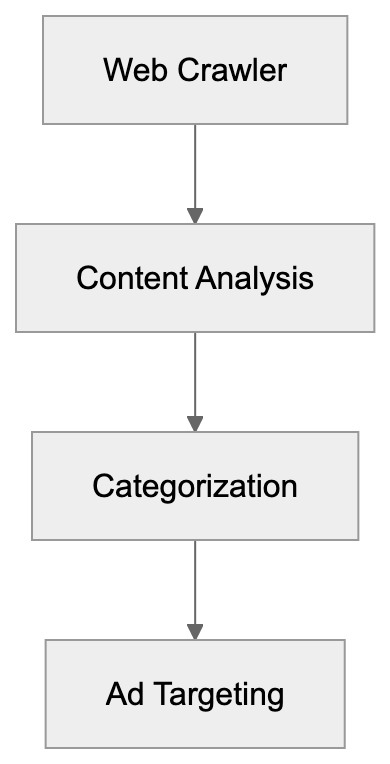
The Grapeshot bot functions as an automated content analyzer. It crawls websites in a manner similar to search engines but with a different goal. Instead of indexing pages for search results, it reads and categorizes content based on topics and safety levels. The technology uses natural language processing to grasp the text’s context. When the Grapeshot crawler visits your site, it analyzes headlines, body text, images, and metadata, assigning categories from thousands of predefined segments. These segments range from broad topics like sports or technology to specific niches like luxury cars or organic food.
Categorization happens in real-time or near real-time, with advertisers using this data through Oracle’s Oracle Data Cloud to target campaigns effectively. For instance, a sports brand can display ads specifically on pages about athletics. Simultaneously, brands can avoid controversial content through brand safety crawler filters. The system flags content that might be sensitive, such as violence, adult themes, or political topics. This dual function of targeting and safety makes Grapeshot invaluable in the advertising ecosystem.
Oracle Data Cloud Acquisition and Integration
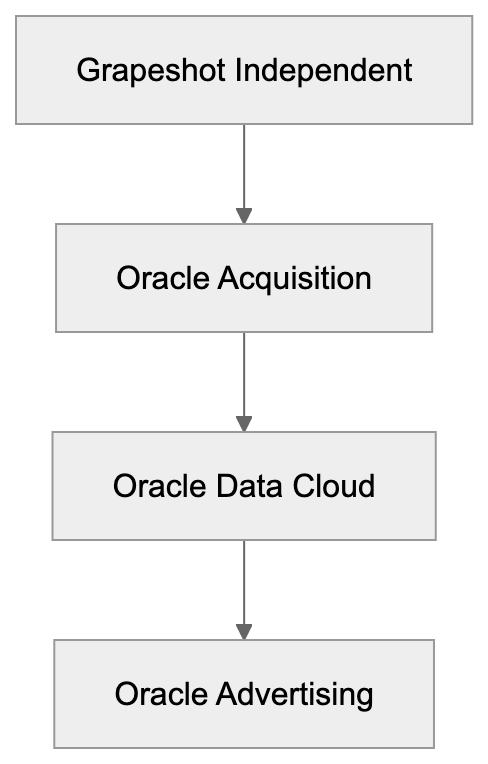
How Grapeshot Works:

Oracle acquired Grapeshot in 2018 to expand its advertising technology offerings. Grapeshot, before the acquisition, served major advertising platforms and brands independently. Oracle integrated this technology into the Oracle Data Cloud, which later became part of Oracle Advertising. This acquisition gave Oracle stronger capabilities in contextual advertising at a time when privacy regulations tightened, increasing the importance of contextual targeting over cookie-based tracking.
Following the acquisition, Grapeshot’s technology merged with Oracle’s existing data assets, allowing contextual data to match with other audience identifiers. The Oracle advertising bot continues to operate, maintaining the Grapeshot user-agent string. Oracle expanded the bot’s reach and updated its categorization algorithms, meaning data collection now flows to Oracle’s systems, enhancing advertising products like display ads, video ads, and sponsored content.
Technical Details and User-Agent Information
The Grapeshot crawler identifies itself through specific user-agent strings in HTTP requests, such as:
Oracle Integration Evolution:
Mozilla/5.0 (compatible; Grapeshot/1.0; +http://www.grapeshot.com/crawler.php)
Some variations exist depending on the crawler version. The bot respects robots.txt files, like most legitimate crawlers. If you’d like to block the Grapeshot bot, add directives to your robots.txt file. The crawler typically accesses pages at a moderate rate to avoid overloading servers, following standard crawling practices without executing JavaScript by default. It reads primarily HTML content and visible text.
The bot originates from various IP addresses as Oracle uses distributed infrastructure, so there’s no single IP range you can block. The best identification method remains the user-agent string. Website logs will show Grapeshot visits with GET requests to various pages, with visit frequency depending on your site’s update schedule and Oracle’s index importance.
Blocking or Managing Grapeshot Bot Access
You can manage Grapeshot’s access to your website through several methods, mainly using robots.txt directives:
User-agent: Grapeshot
Disallow: /
This blocks the entire site from the Grapeshot crawler. For selective blocking of specific directories, modify the Disallow path. Blocking the Grapeshot bot means your content won’t be categorized in Oracle’s system, potentially affecting ad placements. Some publishers prefer allowing the crawler as it can lead to more relevant advertising.
Alternatively, use server-level blocking through .htaccess or nginx configurations. You can check user-agent strings and return 403 errors to Grapeshot requests, though this requires a more technical setup than robots.txt. Some content management systems offer plugins that manage crawler access. Before blocking, consider whether the contextual targeting benefits your monetization strategy.
Comparing Grapeshot to Alternative Contextual Targeting Solutions
Several contextual targeting technologies compete with Grapeshot. Here’s how they stack up:
| Service | Owner | Primary Use | Bot Name | Market Position |
|---|---|---|---|---|
| Grapeshot | Oracle | Contextual targeting, brand safety | Grapeshot | Enterprise-focused, integrated with Oracle Advertising |
| IAS (Integral Ad Science) | Independent | Brand safety, ad verification | IAS Crawler | Strong in verification and fraud detection |
| DoubleVerify | Independent | Brand safety, viewability | DV Bot | Focus on measurement and verification |
| Peer39 | Independent | Contextual targeting | Peer39 Bot | Semantic analysis specialist |
| Seedtag | Independent | Contextual AI advertising | Seedtag Crawler | Combines computer vision and NLP |
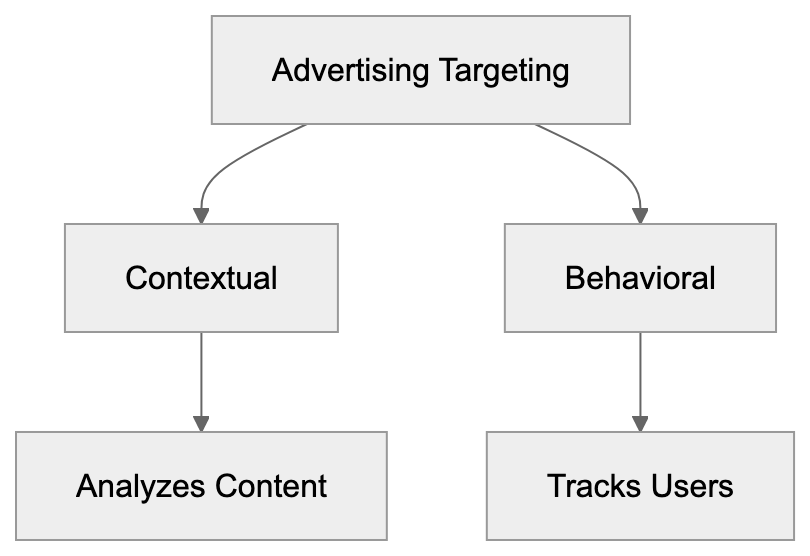
Contextual vs Behavioral Targeting:
 Grapeshot distinguishes itself through its deep Oracle integration and extensive category taxonomy, reportedly using over 300,000 contextual segments. IAS and DoubleVerify focus more on brand safety verification. Peer39 emphasizes semantic content understanding, while Seedtag adds visual analysis.
Privacy Considerations and Data Collection
Grapeshot collects publicly available website content but doesn’t gather personal user data or track individual visitors. It reads what anyone could read by visiting your site, yet categorization data is stored in Oracle’s systems for commercial use. This raises questions about content ownership and data usage rights.
Website owners should recognize that allowing Grapeshot means contributing to Oracle’s commercial database, though you aren’t compensated unless partnering with Oracle separately. Some publishers view this as fair exchange for improved ad targeting, enhancing their ad revenue. Others prefer to block such crawlers on principle.
Under GDPR, contextual targeting gained favor over behavioral tracking. Since Grapeshot analyzes content rather than users, it doesn’t face the regulatory challenges associated with cookie-based tracking. This positions Oracle well as third-party cookies phase out. The technology aligns with privacy-first advertising approaches that regulators encourage.
Impact on Website Performance and SEO
Grapeshot crawling typically has minimal impact on website performance. The bot follows polite crawling practices and spaces out requests, avoiding server overload. Unlike aggressive scrapers, it generally doesn’t cause noticeable performance issues. However, small sites with limited hosting resources might experience issues, though Grapeshot alone rarely triggers problems.
From an SEO perspective, Grapeshot doesn’t directly affect search rankings since it’s not a search engine crawler. Blocking it won’t hurt Google rankings, but there’s an indirect relationship. Sites permitting contextual crawlers may attract better-matched advertisers, improving user experience and potentially benefiting SEO through engagement metrics.
The Grapeshot crawler doesn’t execute JavaScript in most implementations, which means it reads your HTML content as-is. If your site relies heavily on client-side rendering, Grapeshot might miss dynamically loaded content, potentially leading to incomplete categorization. Ensure important content appears in the initial HTML response for best results with contextual targeting.
Use Cases for Businesses and Marketers
Advertisers use Grapeshot data to improve campaign targeting without relying on personal data. A travel company, for example, can target articles about destinations rather than tracking users searching for flights, respecting privacy while maintaining ad relevance. This approach thrives in cookie-less environments as browsers block third-party cookies, making contextual targeting increasingly important.
Brand safety represents another critical use case, with companies avoiding ads near controversial content. Grapeshot automatically flags potentially problematic pages. A family-friendly brand can exclude categories like violence or adult content. This protection happens before ads serve, preventing brand damage. The technology reportedly updates classifications quickly when news events create new sensitive content.
Publishers also benefit by understanding their content’s categorization. Some platforms show publishers their Grapeshot categories, helping content teams optimize for valuable advertising segments. A tech blog might find specific topics attract premium advertisers, prompting more content in those categories. This requires access to Oracle’s platform or partners exposing categorization data.
Future of Contextual Advertising Technology
Contextual targeting is experiencing a resurgence amid tightening privacy regulations. Technologies like Grapeshot become more pivotal to advertising strategies. Oracle continues enhancing the platform with improved AI and machine learning models, with natural language processing advances allowing a better understanding of context and nuance. The system can detect sentiment and emotional tone, not just topics.
Competition is intensifying, with Google, Amazon, and other tech giants investing heavily in contextual solutions. Independent ad tech companies also develop alternatives. This competition drives innovation, potentially improving accuracy. For website owners, this may mean more crawlers visiting sites, necessitating management of multiple contextual bots.
The technology might expand beyond traditional advertising. Content recommendation systems use similar categorization, and e-commerce platforms apply contextual analysis for product placement. The core technology of reading and classifying web content has applications across digital platforms. Grapeshot and similar systems underpin the modern web’s content understanding layer.
Frequently Asked Questions
What is the primary purpose of Grapeshot?
Grapeshot is designed to scan websites to categorize content for contextual advertising. It helps advertisers place their ads on suitable web pages by understanding page topics and ensuring brand safety.
How can website owners manage Grapeshot's access to their site?
Website owners can manage Grapeshot's access using directives in the robots.txt file, specifying which areas of their site the crawler can or cannot access. For more technical control, site administrators can also implement server-level blocking through configurations in .htaccess or nginx.
Does allowing Grapeshot affect my site's SEO?
Allowing Grapeshot does not directly impact search rankings since it is not a search engine crawler. However, it may indirectly benefit SEO by attracting better-matched advertisers, which can enhance user engagement metrics.
What kind of data does Grapeshot collect?
Grapeshot collects publicly available information from websites, analyzing content without gathering personal user data. It uses this information to categorize content but does not track individual visitor behavior.
How does Grapeshot ensure brand safety in advertising?
Grapeshot implements brand safety measures by automatically flagging content that may be controversial or sensitive, helping brands avoid ad placements near inappropriate or harmful content. This allows advertisers to maintain their reputations while targeting relevant audiences.
How is Grapeshot different from other contextual targeting solutions?
Grapeshot distinguishes itself through its deep integration with Oracle and an extensive categorization system, offering over 300,000 contextual segments. Unlike some competitors focusing primarily on brand verification, Grapeshot combines targeting and safety features effectively.
What are some potential future developments in contextual advertising technology?
Future advancements in contextual advertising may include improved AI and natural language processing techniques for better understanding web content. Additionally, as privacy regulations tighten, technologies like Grapeshot will likely play a larger role in advertising strategies, extending beyond traditional uses into content recommendation and e-commerce.
Track Your AI Visibility
See how AI chatbots like ChatGPT, Claude, and Perplexity discover and recommend your brand.