Screaming Frog SEO Spider Guide for Technical Audits
Complete guide to Screaming Frog SEO Spider desktop crawler. Learn technical SEO audits, user-agent detection, and compare with cloud alternatives.
Introduction
Screaming Frog SEO Spider is a powerful desktop crawler designed for SEO professionals and web developers to conduct technical site audits. This site audit software mimics the behavior of search engine bots to crawl websites, making it an indispensable tool for technical SEO. Unlike cloud-based SEO tools, this website crawler operates locally on your computer, providing comprehensive data including website structure, broken links, redirect chains, and metadata issues. The use of Screaming Frog leaves identifiable traces in server logs using its unique user-agent string, ensuring transparency during audits. Available in both free and paid versions, the free tier allows for crawling up to 500 URLs per session.
What is Screaming Frog SEO Spider
Screaming Frog SEO Spider Architecture:
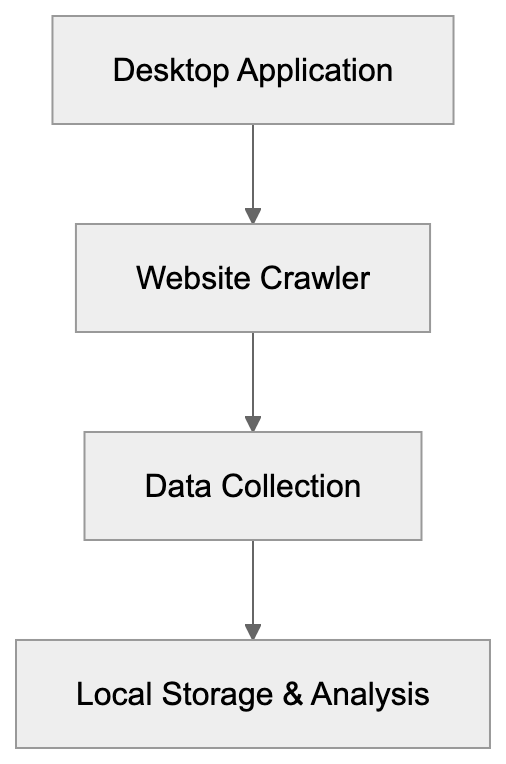
The Screaming Frog SEO Spider is a leading desktop crawler application offering insights into websites from a technical SEO standpoint. This SEO tool requests web pages like a search engine bot, collecting essential data such as response codes, page titles, meta descriptions, headings, and internal links. Compatible with Windows, macOS, and Linux, users download and install this site audit software locally. It uses a specific user-agent string, “Screaming Frog SEO Spider,” for audit identification, while processing crawl data on your computer ensures privacy and control over data. The paid version, which most professionals opt for, unlocks advanced features like JavaScript rendering and removes the 500 URL crawl limit.
Why Screaming Frog Exists and Its Purpose
For technical SEO audits, gathering detailed data about website configuration is vital. Manually examining hundreds or thousands of pages is impractical, which is why Screaming Frog was developed to automate this process. It serves multiple user groups: SEO consultants perform audits to enhance search rankings, web developers catch technical errors like broken links before site changes, and content marketers analyze competitor structures for insights. Freelancers and small agencies choose Screaming Frog for its professional-grade analysis without the need for expensive subscriptions. Its desktop crawler approach maintains user control and operates offline if required.
Technical SEO Audit Workflow:

How Users and Companies Use Screaming Frog
SEO agencies and consultants utilize Screaming Frog as their go-to tool for technical site audits. Users enter a website URL, configure settings, and let the desktop crawler do its work. Post-crawl, data is exported to spreadsheets for reporting. Digital marketing teams in medium-sized firms may purchase multiple licenses for their specialists, while web development teams use the tool to verify redirects during site migrations. E-commerce businesses find orphaned pages using this crawler, and publishers locate and improve thin content. Its widespread use means Screaming Frog’s activities often register in server logs, identifiable by the user-agent string “Screaming Frog SEO Spider/[version number].” Although some sites restrict the crawler to prevent competitive analysis, most allow it, valuing its role in legitimate SEO audits.
Key Features and Confirmed Facts
Developed by Screaming Frog Ltd., the SEO Spider tool has been an industry mainstay since 2010, evolving through regular updates. The free version is suitable for smaller audits, with paid licenses at £209 per year (about $260 USD) offering unlimited crawling and advanced features. The desktop crawler respects robots.txt files by default, can render JavaScript, and exports data in formats like CSV and Excel. Users schedule automated crawls via command line mode, enhancing its utility for regular site monitoring. It supports integration with Google Analytics and Search Console for enriched analysis, and enjoys a robust user community and presence at major SEO conferences.
Comparison with Alternative SEO Crawlers
There are several alternatives to Screaming Frog, each serving different needs. The table below compares key features:
| Tool | Type | Pricing | Crawl Limit | Key Difference |
|---|---|---|---|---|
| Screaming Frog SEO Spider | Desktop | £209/year | Unlimited (paid) | Local processing, detailed technical data |
| Sitebulb | Desktop | $35/month | Unlimited | Visual reports, better for client presentations |
| DeepCrawl (Lumar) | Cloud | Custom pricing | Based on plan | Enterprise features, team collaboration |
| Botify | Cloud | Custom pricing | Based on plan | Log file analysis, large site specialists |
| OnCrawl | Cloud | Custom pricing | Based on plan | Real-time monitoring, machine learning ideas |
Screaming Frog offers competitive annual pricing and fast local data processing making it ideal for small to medium websites, while cloud-based options like DeepCrawl are more suited for extremely large sites.
User-Agent Identification Process:
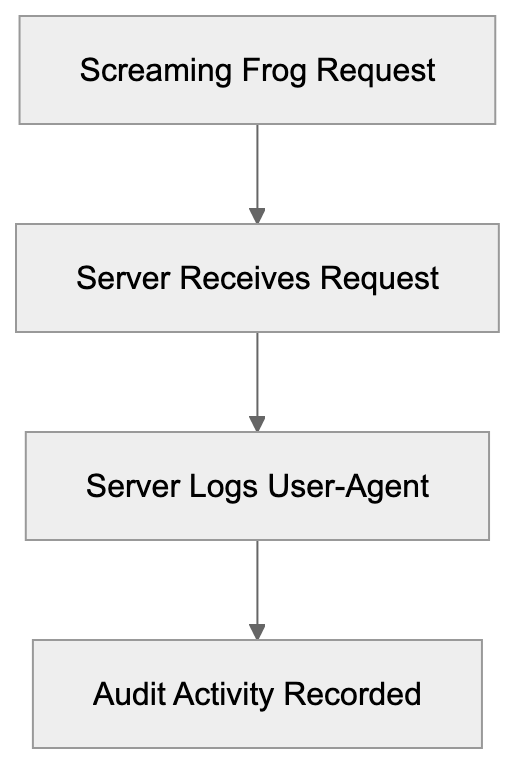
User-Agent Identification in Server Logs
Screaming Frog’s HTTP requests include a specific user-agent string, “Screaming Frog SEO Spider/[version number],” clearly identifying it in server logs. This makes it easy for web administrators to see when their site is being audited. Some businesses monitor this activity to identify competitor analysis, while others block or limit requests to control crawling. However, this transparency helps distinguish legitimate audits from malicious activity.
Widespread SEO Industry Adoption
Screaming Frog’s status as a leading tool for technical SEO is confirmed by its frequent mention and use in industry circles. SEO conferences, training programs, and online communities regularly feature discussions and learning sessions about its capabilities. Its presence in server logs reflects its adoption as a technical SEO standard on par with tools like Photoshop in their respective fields. Websites worldwide incorporate specific filters for it in analytics platforms.
Technical Requirements and Performance
To run Screaming Frog effectively, users should ensure adequate computer resources. Large websites demand significant RAM, with 8GB necessary for a site of approximately 50,000 URLs. Larger sites might require as much as 32GB. The software, running on a Java platform, is affected by network speed and processor power. The crawl settings can be adjusted to respect server capacities and prevent blocks, safeguarding both desktop crawler performance and data privacy.
End
Screaming Frog SEO Spider maintains its position as the preferred desktop crawler for comprehensive technical SEO audits. Offering detailed analysis without high subscription costs, it’s vital for SEO professionals, web developers, and digital marketers alike. The software’s identifiable user-agent string underscores its widespread adoption and its role within the broader web ecosystem, distinguishing legitimate audits from less scrupulous scrapers.
Frequently Asked Questions
What are the system requirements for running Screaming Frog?
Screaming Frog requires a computer with sufficient RAM and processing power, especially for large sites. For instance, 8GB of RAM is recommended for crawling around 50,000 URLs, while larger sites may need up to 32GB. The software runs on a Java platform, so ensure that your system meets these prerequisites for optimal performance.
Can I use Screaming Frog on my mobile device?
No, Screaming Frog SEO Spider is a desktop application and is not available for mobile devices. It supports Windows, macOS, and Linux platforms, and must be installed locally on your computer to function properly.
Is Screaming Frog suitable for small websites?
Yes, Screaming Frog's free version allows for crawling up to 500 URLs, making it ideal for smaller websites or initial audits. For more extensive site analysis or additional features, upgrading to the paid version is recommended.
How does Screaming Frog compare to cloud-based SEO tools?
Screaming Frog offers local data processing, giving users complete control over their data and ensuring privacy. Unlike cloud-based tools, which may require ongoing subscriptions, Screaming Frog has an annual fee that can be more cost-effective for those performing regular audits.
Can I integrate Screaming Frog with other SEO tools?
Yes, Screaming Frog can be integrated with Google Analytics and Google Search Console for enhanced data insights. This feature allows users to combine technical audit data with web performance metrics, providing a comprehensive view of website health.
What types of issues can Screaming Frog help identify?
Screaming Frog is effective at identifying broken links, redirect chains, metadata issues, thin content, and orphaned pages. Its detailed reporting helps users address technical SEO problems that could impede site performance and search rankings.
How frequently should I perform audits with Screaming Frog?
The frequency of audits depends on website size and update frequency. For larger websites, regular monthly or quarterly audits are advisable, while smaller sites may only need to be audited bi-annually or annually. Automated crawling can also be scheduled for ongoing monitoring.
Track Your AI Visibility
See how AI chatbots like ChatGPT, Claude, and Perplexity discover and recommend your brand.