Comprehensive Guide to SemrushBot for SEO and Marketing
Learn how SemrushBot crawls websites for SEO data, site auditing, and backlink analysis. Blocking options and relationship to Semrush tools explained.
What is SemrushBot and Why It Matters
SemrushBot is a web crawler operated by Semrush, one of the largest SEO and digital marketing platforms in the industry. This SEO bot systematically visits websites to collect data for various Semrush tools and features. The bot helps power Semrush’s extensive database of backlinks, keywords, and site health metrics, which millions of marketing professionals and SEO experts rely on.
Web crawlers, like SemrushBot, exist because SEO platforms need fresh data for accurate insights. Without crawlers, tools couldn’t display who links to your site, what keywords your competitors rank for, or highlight technical issues affecting your pages. SemrushBot focuses on backlink analysis, site structure analysis, and monitoring changes across millions of domains. Understanding how this bot works helps website owners make informed decisions about allowing or blocking its access.
Understanding SemrushBot’s Core Functions
SemrushBot’s Primary Functions:
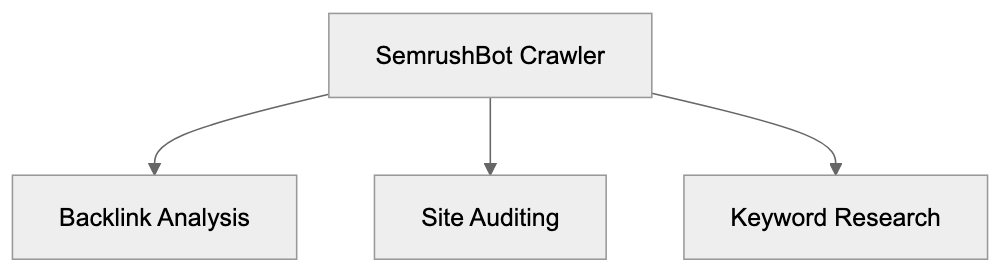
SemrushBot operates as an automated program, requesting pages from websites similar to a regular browser, adhering to standard web protocols like robots.txt files. When it visits your site, the bot reads your content, follows links, and records technical details of each page. The primary purpose is collecting backlink information, tracking which sites link to which pages and how they’re structured.
The SEO crawler also gathers data for site auditing. This includes checking page load times, identifying broken links, analyzing meta tags, and spotting technical SEO issues. Small business owners benefit from Semrush’s Site Audit tool, which helps fix problems affecting search rankings.
Another key function involves keyword research and competitive analysis. SemrushBot helps build databases showing keyword rankings and search visibility changes over time, aiding marketers in planning content strategies.
The bot respects standard web protocols like robots.txt files but crawls aggressively to provide complete data across millions of sites, sometimes causing concerns for developers about server resources.
How Semrush Platform Uses SemrushBot Data
How SemrushBot Data Powers Semrush Tools:
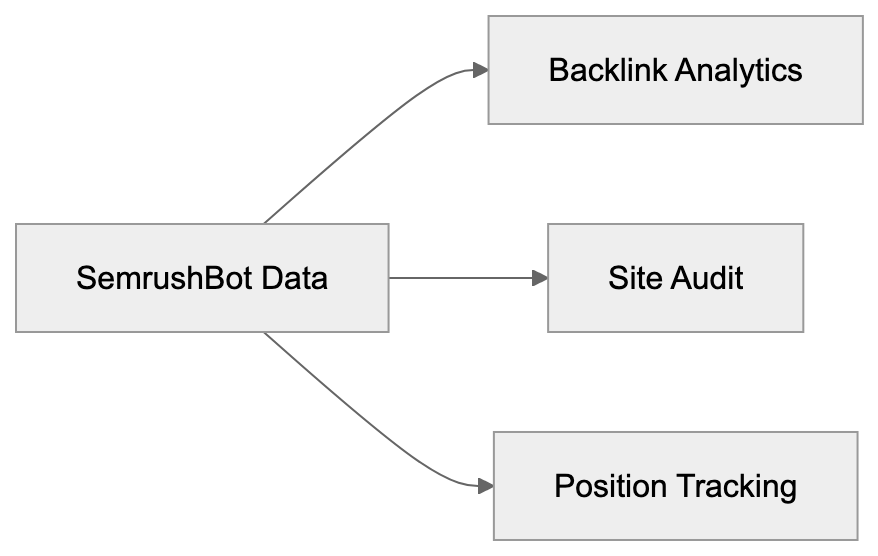
Semrush operates as an all-in-one marketing platform serving over 10 million users globally. The platform offers tools for SEO, content marketing, PPC advertising, and social media management, all powered by SemrushBot data.
The Backlink Analytics tool uses this data to present users with a complete backlink profile. SEO experts can see every site linking to them, analyze anchor text distribution, and identify toxic links that might harm rankings. The crawler ensures data stays current through continuous updates.
Site Audit is another feature powered by SemrushBot. It crawls your entire site, checking for over 130 technical and SEO issues. The Position Tracking and Organic Research tools also rely on this crawler data, helping content marketers identify keyword opportunities and outperform competitors.
Semrush processes this crawler data through proprietary algorithms, calculating metrics like Authority Score and SEO difficulty ratings, maintaining a massive database by continuous crawling.
Managing SemrushBot Access to Your Website
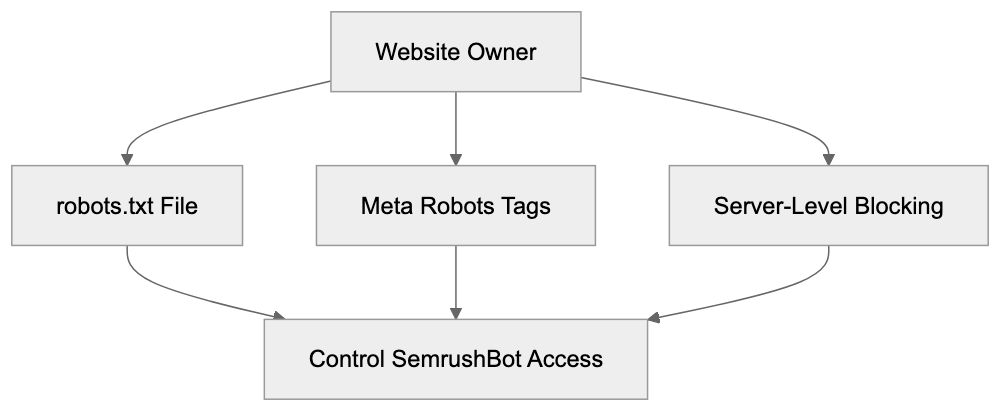
Website owners have control over SemrushBot’s access to their content, mainly through editing the robots.txt file. To block SemrushBot, add these lines to your robots.txt:
User-agent: SemrushBot
Disallow: /
For limited access, specify which directories to block or allow. Meta robots tags on individual pages offer more granular control by adding a “noindex” tag. Server-level blocking through .htaccess files or firewall rules provides another control layer.
SemrushBot Access Control Methods:
 Some sites block SemrushBot to keep competitive data private, though this means you cannot use Semrush tools for your own site’s analysis. Crawl rates can be adjusted with a Crawl-delay directive, though effectiveness varies across crawlers.
SemrushBot Compared to Other SEO Crawlers
The SEO industry relies on multiple crawler bots, each serving different platforms and purposes. Here’s a comparison:
| Crawler | Platform | Primary Purpose | Database Size | Crawl Frequency |
|---|---|---|---|---|
| SemrushBot | Semrush | Backlinks, site audits, SEO data | 43 trillion backlinks | Daily |
| AhrefsBot | Ahrefs | Backlink index, SEO metrics | 35 trillion links | Every 15-30 min |
| Moz DotBot | Moz | Domain authority, link data | 40 trillion links | Weekly |
| BLEXBot | BLEX/Majestic | Link intelligence | 15 trillion URLs | Continuous |
| Screaming Frog | Desktop tool | Site audits, technical SEO | N/A (on-demand) | User-controlled |
AhrefsBot is SemrushBot’s biggest competitor with faster update speeds, offering more integrated marketing tools beyond SEO. Moz focuses on Domain Authority, while BLEXBot emphasizes link discovery. Screaming Frog is a desktop application for manual site audits.
Technical Details and Identification
SemrushBot identifies itself with its user agent string, which appears as “Mozilla/5.0 (compatible; SemrushBot/7~bl; +http://www.semrush.com/bot.html).” The crawler originates from IP addresses owned by Semrush, which change periodically. Blocking by IP is not reliable long-term.
The bot respects standard robots.txt directives and does not execute JavaScript by default, though it has introduced JavaScript rendering capabilities for certain audits. Crawl behavior varies based on site size and importance.
Privacy and Data Collection Considerations
When SemrushBot crawls your site, it collects publicly available information such as page content, structure, and technical details. Semrush stores this data in its database, allowing other users to view it through tools like Backlink Analytics.
Blocking SemrushBot stops your site data from appearing in Semrush’s tools but doesn’t remove historical data already collected. Businesses in sensitive industries might consider blocking SEO crawlers, weighing the benefit of using Semrush for their own research against competitors accessing their data.
End
SemrushBot serves as the backbone crawler for Semrush’s complete SEO and marketing platform, continuously scanning millions of websites to collect backlink data, technical SEO information, and competitive intelligence. While blocking prevents competitors from viewing your data, it also limits your analysis capabilities with Semrush tools. Your choice depends on whether competitive privacy or research capabilities matter more for your business.
Frequently Asked Questions
What data does SemrushBot collect when it crawls my site?
SemrushBot collects publicly available information such as page content, links, technical details like page load times, and metadata. This information is used to inform Semrush's tools and features, providing insights on backlinks, site health, and keyword performance.
How can I control SemrushBot's access to my website?
You can control SemrushBot's access using the robots.txt file to disallow it from crawling your site completely or specify particular directories. Additionally, you can use meta robots tags for individual pages or apply server-level rules with .htaccess files for more refined control.
What are the implications of blocking SemrushBot?
Blocking SemrushBot will prevent it from collecting data from your site, which means competitors cannot analyze your site using Semrush tools. However, you will also lose access to Semrush's analysis tools for your own site, which could hinder your ability to optimize performance and track SEO metrics.
How often does SemrushBot crawl websites?
SemrushBot typically crawls websites daily to maintain up-to-date information in its database. This frequent crawling helps ensure that the reports and analytics provided to users are as current and accurate as possible.
Is blocking SemrushBot effective for long-term privacy?
While blocking SemrushBot prevents future data collection, it does not remove data already stored in Semrush’s database. If privacy is a primary concern, consider if the benefits of using Semrush for analysis outweigh the risks of exposing your data to competitors.
Can I see what data SemrushBot collects about my site?
To view the data that SemrushBot has collected about your site, you would typically need to sign up for Semrush services and use tools such as Backlink Analytics or Site Audit. These tools will provide insights based on the data that SemrushBot has gathered.
How does SemrushBot compare to other SEO crawlers?
SemrushBot is designed for comprehensive backlinks and SEO data analysis, while other crawlers like AhrefsBot and Moz DotBot may focus on different aspects, such as link intelligence or domain authority. Each bot has its strengths, and the choice depends on the specific SEO needs of the user.
Track Your AI Visibility
See how AI chatbots like ChatGPT, Claude, and Perplexity discover and recommend your brand.