Understanding SerpstatBot: A Comprehensive Guide to Serpstat SEO Crawler
Explore SerpstatBot for SEO platform insights, site audits, and backlink analysis crawling. Learn about blocking options and alternatives.
What is SerpstatBot and Why It Matters
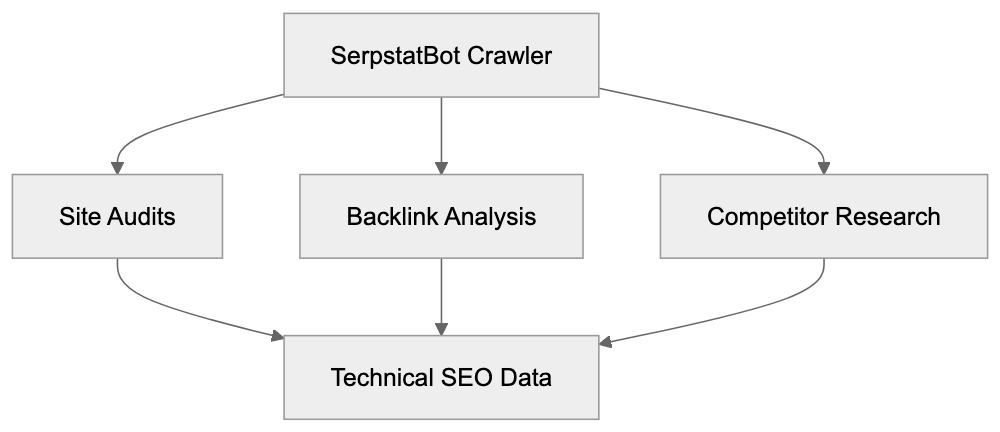
SerpstatBot is a web crawler operated by Serpstat, an all-in-one SEO platform that launched in 2013. The bot crawls websites across the internet to collect data for the Serpstat platform. This data powers various SEO tools like site audits, backlink analysis, keyword research, and competitor analysis. Web crawlers like SerpstatBot exist because SEO professionals need fresh and accurate data about websites, their structure, content quality, and link profiles. Without these crawlers, SEO platforms wouldn’t provide the insights that businesses need to improve their search rankings.
SerpstatBot specifically focuses on gathering technical SEO data, analyzing site structure, checking for broken links, and mapping backlink profiles. The bot helps over 300,000 users worldwide make informed decisions about their SEO strategies. Understanding how SerpstatBot works is important for website owners because it directly impacts how your site appears in Serpstat’s analysis tools.
The Serpstat Company Background
SerpstatBot Core Functions:
Serpstat started as a keyword research tool back in 2013. Based in Ukraine, the company has grown into a full-featured SEO platform over the past decade, serving small businesses, marketing agencies, and enterprise clients across multiple countries. They compete with major SEO tools by offering an affordable alternative with complete features.
Serpstat’s database contains information about millions of domains and billions of keywords, processing massive amounts of search engine data daily to keep current. Their crawler, SerpstatBot, is an important component of this data collection infrastructure, visiting websites regularly to update site audit information and track changes in backlink profiles.
Serpstat offers various subscription plans starting from basic packages for small sites to enterprise solutions for agencies managing multiple clients. The platform includes features like rank tracking, content marketing tools, and PPC analysis alongside traditional SEO functions.
How SerpstatBot Works and Its Purpose
SerpstatBot operates by sending requests to web pages just like a regular browser would. It identifies itself through a specific user-agent string in its HTTP requests, which looks like: “SerpstatBot/2.1 (advanced backlink tracking bot; https://serpstat.com/bot/)”.
The crawler follows links from page to page, downloading HTML content and analyzing site structure. It respects the robots.txt file that website owners use to control crawler access. The main purposes of SerpstatBot include conducting site audits for Serpstat users, building backlink databases, analyzing competitor websites, and monitoring site health over time.
When you run a site audit in Serpstat, the bot crawls your website to check for technical issues like broken links, duplicate content, slow loading pages, and missing meta tags. For backlink analysis, the bot discovers and catalogs links pointing to websites across the internet. This helps SEO professionals understand their link profile and find new link-building opportunities. The crawler operates continuously but varies its crawl frequency based on site size and update patterns.
Technical Details and User-Agent Information
The SerpstatBot user-agent string contains important information for webmasters. The current version identifier is “SerpstatBot/2.1,” which indicates the crawler version. The string also includes a description “advanced backlink tracking bot” and a link to Serpstat’s bot information page.
Website server logs will show these requests coming from IP addresses owned by Serpstat’s infrastructure. The bot typically crawls at a moderate rate to avoid overloading servers. It follows standard web crawling protocols and attempts to minimize impact on site performance. The crawler respects meta robots tags that tell it not to index specific pages and also honors the crawl-delay directive in robots.txt files if you need to slow down its requests. SerpstatBot doesn’t execute JavaScript by default in many cases, focusing instead on static HTML content.
SerpstatBot Crawling Process:

The bot operates 24/7 but adjusts crawl scheduling based on site responsiveness and robots.txt instructions. Most websites can handle SerpstatBot traffic without issues, but high-traffic sites might want to monitor and control crawler access.
How Businesses and SEO Professionals Use Serpstat
SEO professionals use the Serpstat SEO platform for complete website analysis and improvement. Marketing agencies run site audits to identify technical problems affecting client rankings. The backlink analysis feature helps teams understand their link profile strength and find competitor backlink sources.
Content marketers use Serpstat’s keyword research tools to find search terms with good traffic potential. Small business owners rely on the platform to track their rankings against competitors without hiring expensive agencies. Web developers use site audit reports to fix technical SEO issues during website launches or redesigns.
The platform’s competitor analysis features let businesses see what keywords their rivals rank for and which pages drive their traffic. Serpstat users can track ranking changes over time to measure SEO campaign effectiveness. Many users combine Serpstat data with other analytics tools for a complete picture of their online presence.
The platform’s API allows developers to integrate Serpstat data into custom dashboards and reporting systems. Teams managing multiple websites benefit from Serpstat’s project management features that organize data by client or domain.
Blocking or Controlling SerpstatBot Access
Website owners can control SerpstatBot access through robots.txt files. To completely block the bot, add these lines to your robots.txt file:
User-agent: SerpstatBot
Disallow: /
This tells SerpstatBot not to crawl any part of your site. If you want to block specific sections while allowing others, modify the Disallow path. For example, “Disallow: /admin/” blocks only the admin directory. You can also use the crawl-delay directive to slow down the bot:
User-agent: SerpstatBot
Crawl-delay: 10
This tells the bot to wait 10 seconds between requests. Some webmasters choose to block SEO crawlers if they have limited server resources or don’t want their site data in commercial SEO tools. Blocking SerpstatBot means your competitors might still analyze your site while you can’t analyze theirs through Serpstat.
Another option is using meta robots tags on specific pages you don’t want crawled. The tag looks like this: <meta name="robots" content="noindex, nofollow">. Keep in mind that blocking too many legitimate crawlers can limit your visibility in various SEO tools and directories. Most sites benefit from allowing SerpstatBot since the traffic is minimal, and the data helps the broader SEO community.
Comparing SerpstatBot to Other SEO Crawlers
Multiple SEO platforms operate similar crawlers for data collection. Here’s how SerpstatBot compares to major alternatives:
| Crawler Name | Parent Company | Primary Purpose | Respects Robots.txt | Notable Features |
|---|---|---|---|---|
| SerpstatBot | Serpstat | Site audits, backlink analysis | Yes | Affordable platform, good for small businesses |
| AhrefsBot | Ahrefs | Backlink index building | Yes | Largest backlink database, very active crawler |
| SEMrushBot | Semrush | SEO data collection, site audit | Yes | Complete toolkit, enterprise features |
| MJ12bot | Majestic | Link intelligence | Yes | Focuses heavily on backlink data |
| DotBot | Moz | Link index, site data | Yes | Part of established SEO tool suite |
AhrefsBot is probably the most aggressive crawler, visiting sites very frequently to maintain fresh backlink data. Their index contains over 30 trillion links. SEMrushBot serves a platform with over 7 million users and offers more marketing features beyond SEO.
Majestic’s MJ12bot specializes in link analysis with unique metrics like Trust Flow and Citation Flow. Moz’s DotBot supports their Domain Authority metric used widely across the industry. SerpstatBot sits in the middle range for crawl frequency and database size. It offers good value for budget-conscious users who need solid SEO data without enterprise pricing.
SEO Crawler Comparison Overview:
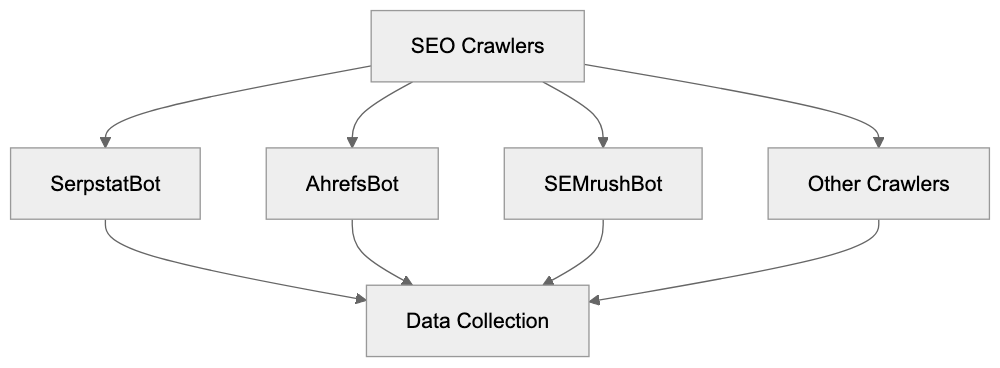
All these crawlers respect robots.txt and provide ways for webmasters to control access. The choice between platforms usually depends on specific feature needs and budget rather than crawler behavior. Many SEO professionals use multiple tools to cross-reference data and get complete insights.
Privacy and Data Collection Considerations
Serpstat collects publicly available data from websites through its crawler. The information gathered includes page content, meta tags, internal link structure, and technical elements. This data becomes part of Serpstat’s database and is accessible to platform users.
Website owners should understand that any public page can be crawled and analyzed. If you have sensitive information that shouldn’t be in SEO databases, use proper access controls like password protection or robots.txt blocking. Serpstat states they follow data protection regulations and don’t collect personal information through their crawler.
The bot only accesses what a regular web browser could see, but aggregated data about your site structure and content becomes available to Serpstat subscribers. This is standard practice across all SEO platforms and search engines. If you run an e-commerce site, product information and pricing might appear in competitor analysis reports. Content publishers should know their article topics and keyword usage get cataloged.
Most businesses accept this as part of operating on the public internet. The benefits of using SEO tools typically outweigh privacy concerns about public data collection. You can always opt-out by blocking the crawler if data collection concerns you.
Best Practices for Website Owners
Website owners should generally allow SerpstatBot unless they have specific reasons to block it. The crawler provides minimal load on most servers and operates responsibly. Make sure your robots.txt file is properly configured with any necessary restrictions.
Monitor your server logs occasionally to check crawler behavior and make sure it follows your rules. If you notice excessive requests, contact Serpstat support rather than immediately blocking the bot. They can adjust crawl rates for your domain.
Keep your site technically sound so audits through Serpstat show positive results. This means fixing broken links, improving page speed, and ensuring mobile responsiveness. Use the crawl-delay directive if your server struggles with concurrent requests from multiple crawlers.
Consider that SEO tools like Serpstat help level the playing field for small businesses competing against larger companies. Blocking all SEO crawlers removes your ability to analyze competitor strategies. If you use Serpstat yourself, remember blocking their crawler might affect the freshness of your own site’s data in the platform. Most successful websites maintain open access for legitimate SEO crawlers while blocking only malicious bots.
End
SerpstatBot is the data collection engine for the Serpstat SEO platform. The crawler visits websites to gather information for site audits, backlink analysis, and competitive research. It operates responsibly by respecting robots.txt files and maintaining reasonable crawl rates. Website owners can control access through standard webmaster tools if needed.
Compared to alternatives like AhrefsBot and SEMrushBot, SerpstatBot offers similar functionality at a more affordable price point. The crawler helps over 300,000 Serpstat users make informed SEO decisions. Understanding how these crawlers work helps webmasters make smart choices about access control. For most sites, allowing SerpstatBot provides benefits through better SEO tool data. The bot represents the standard approach to commercial web crawling for SEO purposes. Whether you use Serpstat or competing platforms, these crawlers play an important role in modern digital marketing.
Frequently Asked Questions
What types of data does SerpstatBot collect?
SerpstatBot collects data such as page content, meta tags, internal link structures, and technical elements like site health issues. This information is used to create detailed site audits and backlink analysis, which are accessible to Serpstat users.
How can I check if SerpstatBot is visiting my website?
You can check your server logs to see requests made by SerpstatBot, which will show up with its user-agent string. If you notice something unusual, you can monitor the frequency of its visits to ensure it follows your set rules.
Can SerpstatBot impact my site's performance?
SerpstatBot operates at a moderate rate to avoid overloading servers, and most websites can handle its traffic without issues. However, if you experience any slowdowns, you can implement crawl-delay directives in your robots.txt file.
What should I do if I want to block SerpstatBot?
If you wish to block SerpstatBot, you can add specific lines to your robots.txt file, such as 'User-agent: SerpstatBot' followed by 'Disallow: /' to stop all crawling. You can also block certain directories or use the crawl-delay directive to limit its requests.
How does SerpstatBot compare to other web crawlers?
SerpstatBot offers similar functionality to other major crawlers like AhrefsBot and SEMrushBot but at a more affordable price point. While each crawler has its strengths, SerpstatBot is particularly well-suited for small and medium-sized businesses looking for comprehensive SEO analysis tools without enterprise-level costs.
What are the potential privacy concerns with using SerpstatBot?
SerpstatBot gathers publicly available information from your website, which can be viewed by other Serpstat users. If you have sensitive data that you prefer not to share, it's advisable to use access control measures such as password protection or blocking the crawler via robots.txt.
How often does SerpstatBot crawl my website?
The crawl frequency of SerpstatBot depends on various factors, including your site's size and update patterns. However, it typically adjusts its schedule to minimize impact and operates continuously to keep data current.
Track Your AI Visibility
See how AI chatbots like ChatGPT, Claude, and Perplexity discover and recommend your brand.