Understanding Sogou Spider: Chinese Search Engine Crawler
Complete guide on Sogou Spider, Tencent's search bot in China. Learn its purpose, user-agent, blocking options, and relationship with Tencent AI.
Introduction
Sogou Spider is the web crawler employed by Sogou Search, a prominent Chinese search engine owned by Tencent. This service is owned by Tencent and primarily operates within the Chinese market. Web crawlers, like the Sogou Spider, index websites and gather data for search engine results. When content is published online, search engine bots assess it to understand and categorize the information. Sogou Spider plays a crucial role in serving Chinese-speaking internet users, integrating web pages into Sogou’s search index. For website owners and developers, comprehending Sogou Spider is vital for visibility in the Chinese market and managing content indexing by Chinese search engines.
What is Sogou Spider
Sogou Spider’s Role in the Search Ecosystem:
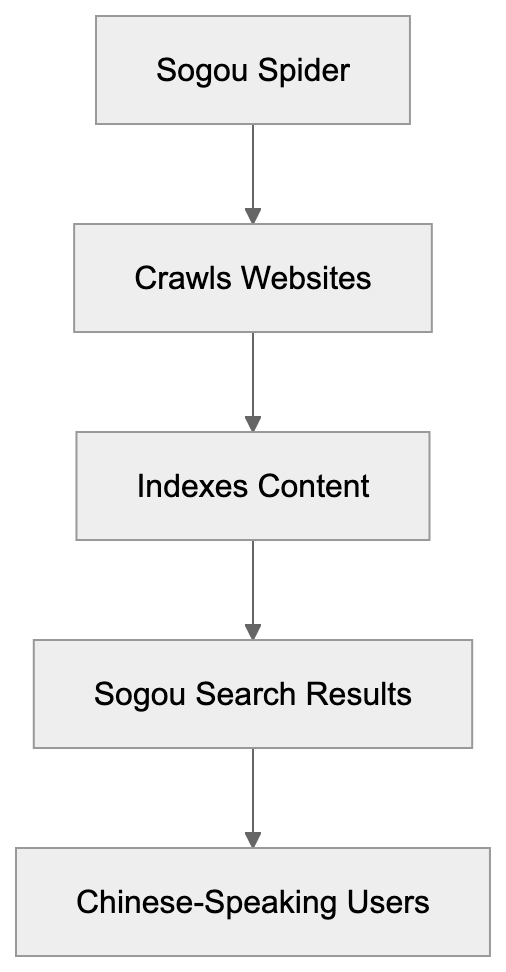
Sogou Spider is an automated bot that crawls websites on behalf of Sogou Search. It is akin to a program that inspects web pages, reads their content, and reports findings. The spider uses specific user-agent strings to identify itself, with common variations like “Sogou web spider” or “Sogou inst spider,” depending on the content type. It follows links from page to page, similar to other search bots, and respects the robots.txt protocol, enabling website owners to manage access. Since its launch in 2004, Sogou Search has become the third or fourth largest Chinese search engine by market share. The spider continually revisits pages to discover new content and updates.
Why Sogou Spider Exists and Its Purpose
Sogou Spider’s main purpose is to build and maintain Sogou Search’s search index. Crawlers are essential for search engines as they rely on fresh website data. Sogou Spider focuses on Chinese language content and websites relevant to Chinese users, helping Sogou compete with Baidu—China’s dominant search engine—and offering an alternative search tool. Acquired by Tencent in 2021, Sogou Spider plays a role beyond search indexing by collecting data for Tencent AI projects and other machine learning endeavors. Web crawling helps companies understand trends, track content changes, and build AI training datasets. For Sogou and Tencent, the spider provides insights into the Chinese internet landscape and user-generated content patterns.
How Sogou Spider Works:

How Sogou Spider is Used
Website owners encounter Sogou Spider via server logs and analytics tools. The bot’s regular requests appear in logs with the Sogou user-agent string. For businesses targeting Chinese customers, Sogou Spider’s indexation is vital for search visibility. Companies often optimize websites for Chinese search engines like Sogou by using simplified or traditional Chinese characters and following local SEO practices. Tencent leverages data gathered by Sogou Spider for search results and potentially AI training. Developers and SEO professionals monitor Sogou Spider activities to ensure proper page indexation, check crawl frequency, identify blocked resources, and verify page discovery. Some website owners specifically block Sogou Spider to prevent content indexing by Chinese search engines or usage for AI training.
Technical Details and User-Agent Information
Sogou Spider uses various user-agent strings depending on the content it crawls. The main web crawler typically uses “Sogou web spider” as its user-agent. Additionally, there are user-agents like “Sogou inst spider” for instant results and “Sogou pic spider” for images. A typical user-agent string appears as: Mozilla/5.0 (compatible; Sogou web spider/4.0). Website administrators can identify Sogou Spider traffic via server logs. The crawler respects standard protocols such as robots.txt files, allowing specific site areas to be excluded from crawling. Meta tags on individual pages also control indexing. Sogou Spider aligns with the technical standards of other major web crawlers, supporting JavaScript rendering, handling redirects, and processing content types like HTML, PDF, and images.
Blocking Sogou Spider and Privacy Considerations
Many website owners choose to block Sogou Spider for various reasons, such as preventing content indexing by Chinese search engines or due to concerns about data collection for AI projects. To block Sogou Spider, specific rules can be added to your robots.txt file:
User-agent: Sogou web spider
Disallow: /
Methods to Block Sogou Spider:
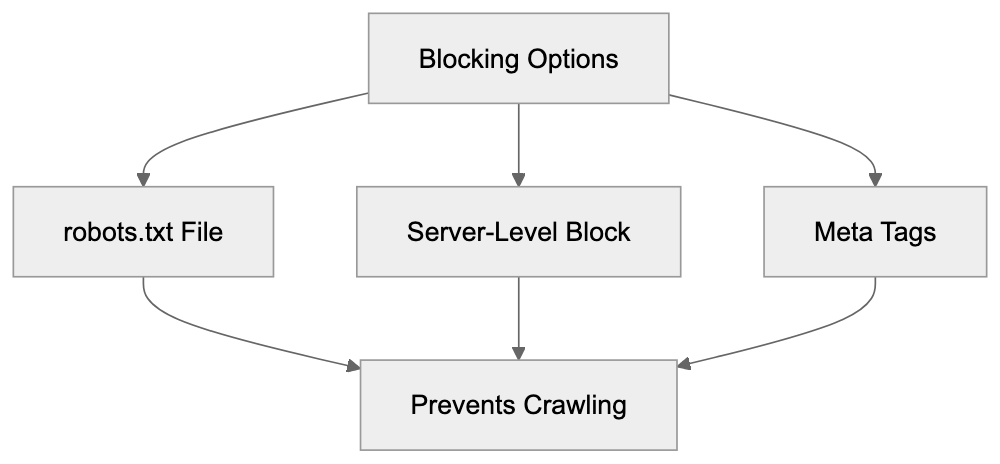
This directive prevents the spider from crawling your site. Specific sections can be blocked while allowing others. Some administrators opt for server-level blocking by checking the user-agent header and returning a 403 forbidden response to Sogou requests—an approach more aggressive than robots.txt. Meta tags like “noindex” or “nofollow” on individual pages can also block the crawler. Blocking Sogou Spider removes your content from Sogou Search results, which may impact visibility among Chinese-speaking audiences. Decision-making should consider market targeting and data privacy concerns. Since Tencent acquired Sogou, questions about crawler data usage in Tencent AI projects have emerged.
Sogou’s Position in the Chinese Search Market
Sogou Search attains a smaller yet notable share in China’s search engine market. Baidu dominates with a 60-70% market share, while Sogou usually ranks third or fourth with a 10-15% share, depending on measurement methods. Post-Baidu competitors include 360 Search and mobile-focused search services. Sogou distinguishes itself through its integration with popular Chinese input methods and Tencent partnerships. Sogou attracts traffic from WeChat—China’s dominant messaging app owned by Tencent—granting access to a vast user base, but the competitive landscape remains fierce. Baidu capitalizes on its substantial resources and established position, while newcomers like Bytedance are developing search capabilities. Sogou’s strategic value to Tencent goes beyond search market share, supporting Tencent’s broader AI ambitions and enhancing insight into Chinese internet trends.
Comparison with Other Search Crawlers
Here’s a comparison of Sogou Spider with other major search engine crawlers:
| Crawler | Owner | Primary Market | User-Agent Identifier | Robots.txt Support | Market Position |
|---|---|---|---|---|---|
| Sogou Spider | Tencent | China | Sogou web spider | Yes | 3rd-4th in China |
| Baiduspider | Baidu | China | Baiduspider | Yes | 1st in China |
| Googlebot | Global | Googlebot | Yes | 1st globally | |
| Bingbot | Microsoft | Global | bingbot | Yes | 2nd globally |
| Yandex Bot | Yandex | Russia/CIS | YandexBot | Yes | 1st in Russia |
Each crawler has unique crawling patterns and priorities. Sogou Spider focuses on Chinese language content and websites crucial for Chinese users, while Baiduspider has aggressive crawl rates due to Baidu’s dominance. Googlebot and Bingbot show less activity on Chinese-language sites targeting mainland China. Crawlers differ in handling JavaScript, revisiting pages, and content prioritization signals. Sogou Spider shares technical similarities with other modern crawlers but is specifically optimized for the Chinese web ecosystem.
Sogou Spider and AI Training Data
Sogou Spider’s role in AI training has gained relevance since Tencent’s acquisition. Search crawlers gather extensive text, image, and other content across the web, crucial for training large language models and AI systems. Tencent invests heavily in AI research, developing chatbots, content recommendation systems, and automated content generation tools. While data collected by Sogou Spider potentially feeds into AI training pipelines, details about Tencent’s use of crawler data remain undisclosed. Website owners concerned about content used for AI training have limited options. Blocking the crawler prevents indexing but removes visibility in Sogou results. There is no industry-standard protocol to opt-out of AI training while allowing indexing, affecting all major search engines and web crawlers, not just Sogou.
Managing Sogou Spider on Your Website
To allow Sogou Spider while controlling its site access, several strategies are available. First, observe the current crawl rate in server logs. Excessive crawling can slow down websites for real users. The Crawl-delay directive in robots.txt can slow the spider, although respect for this directive varies. Monitor frequently crawled pages as crawlers may loop or waste resources on less important pages. Use robots.txt to guide spiders to essential content and away from administrative, search result, or duplicate pages. Implement canonical tags to define primary page versions, preventing duplicate crawl budget use. Large websites should consider creating an XML sitemap and submitting it to Sogou’s webmaster tools, if available, aiding the crawler in effectively discovering key pages. Maintain a simple and organized robots.txt file, and test regularly to avoid unintentionally blocking essential content.
End
Sogou Spider functions as the web crawler for Sogou Search, a significant player in China’s search market owned by Tencent. The spider indexes Chinese-language content and websites relevant to Chinese users. Understanding its operation is crucial for those targeting Chinese-speaking audiences or managing web properties receiving traffic from Chinese search engines. Sogou Spider can be managed through standard protocols like robots.txt, meta tags, and server-level blocking. Following Tencent’s acquisition, questions about crawler data usage in AI projects exist, akin to concerns with other major search engines. Website owners must balance the benefits of being visible in Sogou Search results with data collection concerns. The Chinese search market remains competitive with Baidu’s dominance, yet Sogou maintains a meaningful presence via Tencent’s ecosystem. For developers and SEO professionals targeting the Chinese market, monitoring and managing Sogou Spider activity is crucial for a comprehensive search improvement strategy.
Frequently Asked Questions
What impact does Sogou Spider have on website visibility?
Sogou Spider is crucial for website visibility in the Chinese market. By indexing your site, it ensures that your content appears in Sogou Search results, which is essential for reaching Chinese-speaking users. Websites optimized for Sogou can attract relevant traffic and improve engagement.
How can I check if Sogou Spider is crawling my website?
You can monitor Sogou Spider's activity through your server logs, where its user-agent string will appear. Utilizing web analytics tools can also help track the crawler's requests. By analyzing these logs, you can assess the frequency and scope of Sogou Spider's visits to your site.
Is it possible to block Sogou Spider without affecting other search engines?
Yes, you can block Sogou Spider by adding specific directives to your robots.txt file. This method allows you to disallow crawling by Sogou while permitting access for other search engine crawlers. Additionally, server-level blocking can be applied selectively if needed.
What SEO strategies should I employ for Sogou Spider?
To optimize for Sogou Spider, ensure your site is properly configured for Chinese users, using simplified or traditional characters as applicable. Create valuable content and employ local SEO practices. Regularly check your robots.txt for optimal crawl management, and consider submitting an XML sitemap to assist the crawler in discovering key pages efficiently.
What are the privacy concerns related to Sogou Spider?
Website owners may be concerned about data collection for AI training projects since Sogou, owned by Tencent, uses data gathered by its crawler in various initiatives. To mitigate these concerns, some opt to block Sogou Spider to prevent content indexing and data collection. Balancing visibility and privacy is essential for informed decision-making.
How does Sogou Spider compare to other search engine crawlers?
Sogou Spider primarily focuses on Chinese-language content, making it distinct from global crawlers like Googlebot and Bingbot. Each crawler has different strategies, with Sogou Spider paying more attention to the Chinese web ecosystem. Understanding these differences can inform how you manage and optimize your site for various audiences.
What should I do if I notice excessive crawling from Sogou Spider?
If Sogou Spider is crawling your site excessively, review the crawl rate in your server logs. You can implement a Crawl-delay directive in your robots.txt to manage its access. Additionally, ensure that your site is structured efficiently so the crawler focuses on important content while avoiding redundancy.
Track Your AI Visibility
See how AI chatbots like ChatGPT, Claude, and Perplexity discover and recommend your brand.