Kagi Search Guide: Why 50K+ Users Pay for Ad-Free Search
Complete guide to Kagi Search premium features, AI tools, and pricing. Learn why users pay $5-25/month for ad-free, privacy-focused search.
What Is Kagi Search
Launched in 2022 by Vladimir Prelovac, Kagi Search is a Palo Alto-based paid search engine that emphasizes user privacy by offering ad-free search. The name “Kagi,” meaning “key” in Japanese, reflects its mission to unlock a private search experience. Users pay a subscription fee to receive search results without advertisements, tracking cookies, or data collection. This privacy search engine targets users frustrated with ad-heavy results on platforms like Google and DuckDuckGo. Kagi has gained traction, now serving over 100,000 users who perform millions of monthly searches across desktop and mobile browsers, integrating seamlessly with Kagi’s Orion browser.
Why Paid Search Exists and Kagi’s Purpose
Paid search engines like Kagi exist to counterbalance the ad-driven models of free alternatives. While Google dominates with daily searches exceeding 8.5 billion and annual ad revenue of $224.47 billion in 2022, Kagi flips the model by prioritizing users’ needs. By paying a subscription fee, users receive clean, customized search results without sponsored links or tracking. This model aligns the search engine’s success with user satisfaction, unlike ad-supported platforms. Paid search allows for user-driven result customization and domain blocking, akin to how Spotify and Netflix shifted from ad-supported services.
Kagi Pricing and Subscription Plans
Kagi offers three subscription tiers:
- Starter Plan ($5/month): Includes 300 searches, ideal for light users.
- Professional Plan ($10/month): Unlimited searches for active users.
- Ultimate Plan ($25/month): Early access to experimental features and higher support priority.
Each plan offers ad-free searching, no tracking, FastGPT, Universal Summarizer, and Lenses. Kagi provides a free trial with 100 searches to test their service. Payment is accepted via credit card and cryptocurrencies.
Key Features That Differentiate Kagi
Search Engine Revenue Models:
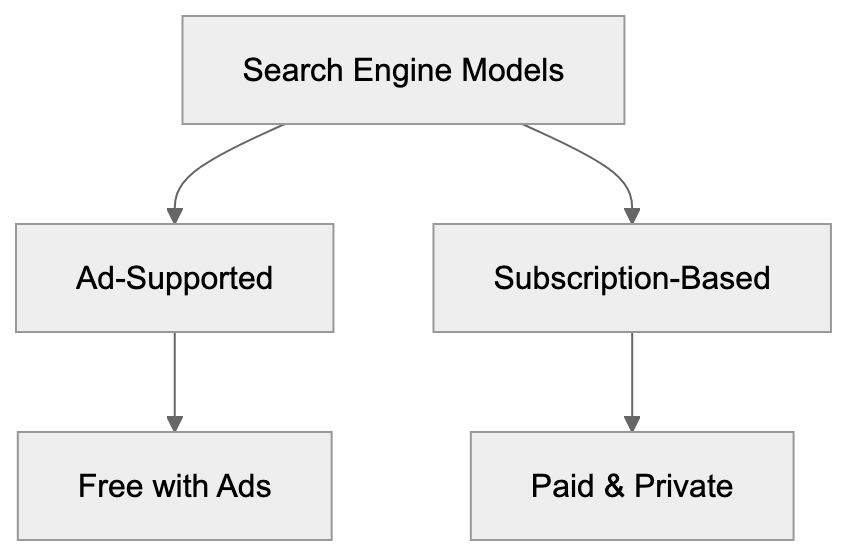
Kagi distinguishes itself from free search engines through features such as:
- Ad-Free Results: No advertisements or sponsored links.
- Result Customization: Boost or block specific domains to personalize search results.
- Source Icons: Indicators for content types like PDFs or forums.
- Search Operators: Enhanced functionality similar to Google’s.
Kagi’s Lenses feature offers domain-specific filtering, providing precision absent in free alternatives.
AI Features: FastGPT, Universal Summarizer, and Quick Answer
Kagi integrates AI-powered tools to enhance search:
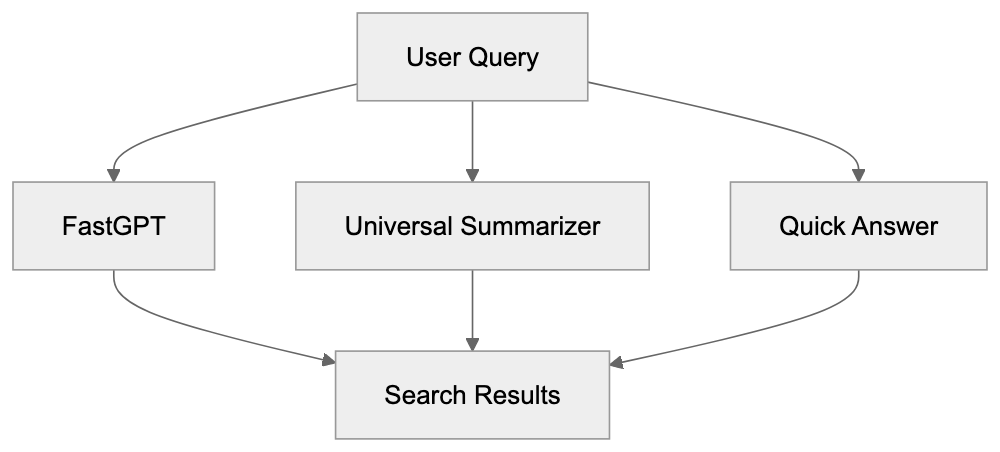
- FastGPT: Provides AI-generated answers with citations from top search results.
- Universal Summarizer: Condenses web pages or videos into summaries.
- Quick Answer: Delivers direct answers for definitions or factual queries.
These AI features leverage language models such as GPT-3.5 and GPT-4, enhancing user query efficiency.
Lenses and Custom Search Filtering
Kagi’s Lenses allow users to filter search results by domain type:
- Academic Lens: Highlights educational sources.
- Forums Lens: Surfaces community discussions.
- Custom Lenses: User-defined domain lists for personalized searches.
This granular filtering goes beyond basic operators, catering to developers and researchers.
Orion Browser Integration
Orion, Kagi’s browser for iOS and macOS, integrates seamlessly with Kagi Search. Independent from Kagi subscriptions, Orion offers features like ad blocking and Chrome/Firefox extension support. Users benefit from a cohesive privacy-focused ecosystem when combining Kagi Search and Orion.
Privacy and Data Handling
Kagi prioritizes privacy by avoiding user tracking and data sales. It logs anonymized search queries solely to improve quality. Kagi is subject to US, not GDPR, privacy laws. Payment processes are handled by third parties, emphasizing account data security.
How Kagi Works and Search Technology
Kagi uses a hybrid approach, combining its index with external sources like Google and Bing. This strategy maximizes result quality and relevance. Its algorithm prioritizes factors like domain authority and freshness, without advertising bias.
Comparison with Free Search Alternatives
Kagi competes with free platforms like Google, DuckDuckGo, and Brave Search by offering a private, ad-free experience through subscriptions. Although free alternatives include contextual ads and tracking, Kagi’s focus remains on user-centric search results and personalization.
User Base and Who Pays for Kagi
Kagi’s 100,000-strong subscriber base includes developers, privacy advocates, and researchers. Willing to pay for uninterrupted, private search experiences, heavy users echo the value Kagi provides, contrasting with those of free, ad-supported services.
Limitations and Considerations
While Kagi excels in privacy, it faces limitations in index size, local search capabilities, and specialized search areas like images. Its subscription cost poses a barrier to casual users. Continuous development addresses these aspects, maintaining competitive service quality.
End and Final Thoughts
Kagi Search presents a viable paid search engine with features like FastGPT and Lenses, providing ad-free, private search experiences. While free alternatives exist, Kagi’s subscription approach offers a clean, customizable benefit for those valuing privacy over advertisements. Whether Kagi aligns with one’s preferences depends on the prioritization of privacy, search needs, and budget considerations in today’s digital landscape.
Kagi AI Features:
Frequently Asked Questions
What are the main benefits of using Kagi Search over free search engines?
Kagi Search offers an ad-free experience, prioritizing user privacy and data protection. Users receive customized search results without the distraction of advertisements or tracking, enhancing their overall search experience.
How does Kagi ensure user privacy?
Kagi avoids tracking users and selling their data, logging anonymized search queries strictly for quality improvement. This commitment to privacy is vital for users who are concerned about data handling, especially compared to free alternatives.
Can I try Kagi before committing to a subscription?
Yes, Kagi offers a free trial that allows users to conduct 100 searches. This trial helps potential subscribers evaluate Kagi's features and effectiveness before choosing a paid plan.
What subscription plans does Kagi offer?
Kagi has three subscription tiers: the Starter Plan at $5/month with 300 searches, the Professional Plan at $10/month for unlimited searches, and the Ultimate Plan at $25/month, which includes early access to new features and higher support priority.
How does Kagi's AI technology enhance my search experience?
Kagi integrates AI features such as FastGPT for AI-generated answers, Universal Summarizer for concise summaries, and Quick Answer for instant factual responses. These tools facilitate more efficient query handling and improve the overall search experience.
Is Kagi suitable for casual users?
While Kagi is designed for users who prioritize privacy and are willing to pay for an ad-free experience, its subscription costs may be a barrier for casual users who do not require extensive searching capabilities.
What limitations should I be aware of when using Kagi?
Kagi faces limitations concerning its index size, local search functions, and specific categories like image searching. Users should consider these factors, especially if they frequently engage in specialized queries.
Track Your AI Visibility
See how AI chatbots like ChatGPT, Claude, and Perplexity discover and recommend your brand.