Mojeek: The Independent UK Search Engine Explained
Complete guide to Mojeek search engine. Learn about its independent crawler, privacy features, and how it compares to Google and Brave Search.
What is Mojeek Search Engine
Mojeek is a search engine that maintains its own web index instead of licensing results from larger providers. Founded in 2004 and launched publicly in 2006, it operates from Brighton, United Kingdom.
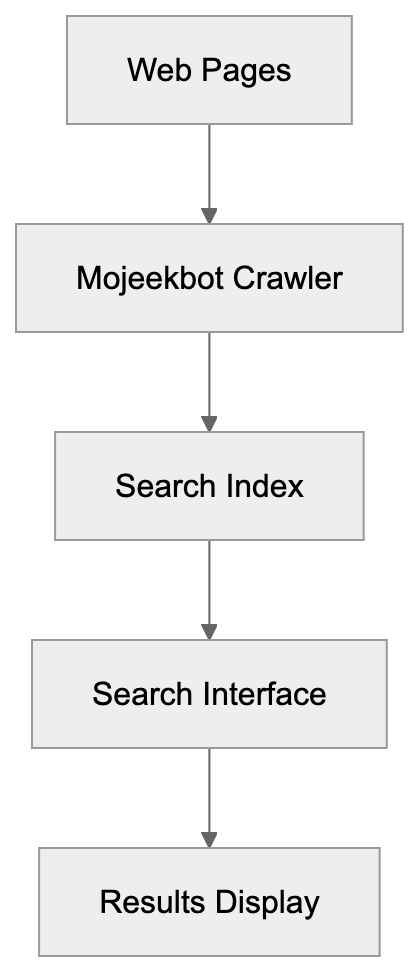
The search engine uses Mojeekbot to crawl websites, discovering and indexing web pages independently. This crawler visits billions of pages to build and sustain Mojeek’s search index. While the index size is smaller than Google’s, it represents a genuine independent coverage of the web.
Mojeek Architecture Overview:
Mojeek doesn’t collect personal data from users. No search history is stored, no tracking cookies are placed, and no advertising profiles are built. This privacy-first approach allows users to search without worrying about data collection.
The search interface is straightforward and clean. Users enter queries and receive results from Mojeek’s own index. The company earns revenue through contextual advertising that doesn’t rely on user tracking. Ads are based solely on search terms, not user profiles.
Mojeek represents a different model for search. Instead of using existing search infrastructure from tech giants, it independently developed its entire system. This takes significant resources and time, but it creates a truly alternative search option.
Why Mojeek Exists and Its Purpose
The purpose of Mojeek is to provide search results without the privacy concerns associated with mainstream search engines. Major providers collect extensive data about users, including search history, clicked results, location data, and browsing patterns, which feed advertising systems and create detailed user profiles.
Mojeek was created to offer an alternative. The search engine collects no personal information and doesn’t track users across the web. Every search is private by default, requiring no login or cookies to track behavior.
Another key purpose is search independence. Most alternative search engines use results from Google or Bing through API agreements, which means a few companies control almost all global search results. If these providers change their policies, dependent search engines must adapt.
Mojeek breaks this dependency by maintaining its own index. This ensures the service can continue operating regardless of decisions made by larger tech companies. It also means results come from an independent perspective without algorithmic influence from major providers.
The search engine demonstrates that independent search is viable. Building a web index requires significant technical resources and ongoing crawling infrastructure. Mojeek proves that smaller organizations can create functional search engines outside the Google-Bing duopoly.
How Mojeek Works and Its Crawler
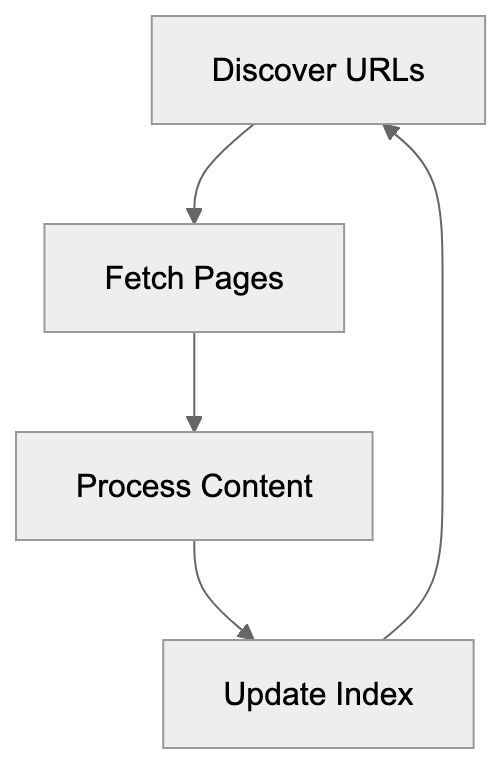
Mojeek operates through a web crawler called Mojeekbot that continuously discovers and indexes web pages. The crawler follows links from known pages to find new content, respecting robots.txt files and crawl rate limits set by website owners.
When Mojeekbot visits a page, it analyzes the content and adds information to Mojeek’s index. The index stores details about page content, links, and relevance signals. This process is continuous as the crawler processes billions of pages.
The search ranking algorithm uses signals from this index to determine result order, focusing on relevance matching between queries and indexed content. The company states it doesn’t use personalization or filter bubbles in ranking.
The workflow begins when a user enters a search query. Mojeek’s systems match the query against its index and calculate relevance scores for matching pages. Results are then ranked and displayed to the user. No user data is logged during this process.
Mojeek’s index is estimated to contain billions of pages but remains smaller than indexes maintained by Google or Bing. The company is continuously expanding its crawling capacity to increase index size, but the smaller index means some newer or less popular pages might not appear in results.
The infrastructure runs on servers located primarily in the UK. All crawling, indexing, and search operations occur on Mojeek’s own hardware, supporting the privacy commitment since no third parties process search data.
Privacy Features and Data Practices
Mojeek implements several technical measures to ensure search privacy. The search engine doesn’t use cookies for tracking purposes, no user accounts are required to search, and IP addresses are not logged with search queries.
The privacy policy explicitly states that Mojeek doesn’t collect or store personal information. Search queries aren’t associated with individual users, meaning the company can’t build user profiles because it doesn’t retain the data needed to do so.
Contextual advertising on Mojeek works by considering only the current search term. Previous searches don’t influence ad selection, and user location affects ads only at a basic country-level geographic targeting.
Mojeek doesn’t use third-party analytics services that might collect user data. Its search infrastructure is self-contained, ensuring even indirect data collection through analytics platforms doesn’t occur.
As a UK search engine, Mojeek operates under UK and European privacy regulations, including GDPR compliance for European users. Its data minimization approach simplifies compliance, processing minimal personal data.
For users concerned about search privacy, Mojeek offers a genuine alternative to search engines that build detailed user profiles. The technical architecture supports its privacy claims since the infrastructure isn’t designed to collect or store personal search data.
Mojeek vs Brave Search Comparison
Brave Search and Mojeek both operate independent search indexes but their approaches differ. Each started building indexes from scratch but employs different strategies.
Brave Search launched in 2021 and quickly built a large index by acquiring the Tailcat search engine, whereas Mojeek has grown its index gradually since 2004 through continuous crawling.
The index size difference is substantial. Brave claims to index tens of billions of pages and handles a larger query volume. Mojeek’s index is smaller but still covers billions of pages independently.
Both search engines prioritize privacy. Neither tracks users or builds advertising profiles. Brave Search offers an ad-free subscription option, while Mojeek relies on contextual advertising without a paid tier.
Brave Search includes additional features Mojeek doesn’t offer, like integrated discussions and news sections. Brave also provides an optional anonymized metric system called Brave Search Metrics. Mojeek maintains a simpler interface focused on web search.
The companies have different business models. Brave operates as part of Brave Software, which also develops the Brave browser. Mojeek focuses solely on search without other products, affecting development resources and growth trajectories.
When choosing between them, both provide legitimate independent search options. Brave Search generally returns more complete results due to its larger index, while Mojeek offers a longer track record of independent operation and UK-based infrastructure.
Limitations and Index Size Considerations
The main limitation of Mojeek is its smaller index compared to Google, Bing, or even Brave Search, affecting result comprehensiveness for certain queries. Niche topics or very recent content might not appear in results.
Users searching for obscure information or newly published content may find fewer relevant results, as the crawler needs time to find and index new pages. Popular sites are crawled frequently, but smaller sites might experience longer delays.
Local search capabilities are limited compared to major providers. Mojeek focuses primarily on web page indexing rather than local business databases. Users searching for nearby businesses or services may find better results on mainstream search engines.
Search Privacy Comparison:
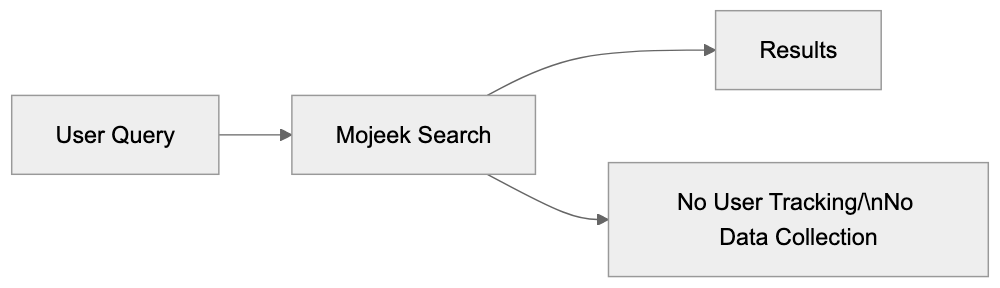
Image and video search are available but with smaller collections than specialized search engines. Google and Bing invest heavily in multimedia search infrastructure, while Mojeek’s resources focus on web page indexing.
The search algorithm is less sophisticated than systems developed by large companies with more machine learning resources, affecting result quality for complex queries. Simple informational queries generally work well, but subtle searches might need refinement.
Crawl rate limitations mean some changing content or frequently updated sites might not reflect the latest changes. The crawler balances between coverage and respecting website resources, creating natural delays in index freshness.
Despite these limitations, Mojeek is a viable primary search engine for many users. The independent index provides value even with reduced coverage. Users can supplement Mojeek with other search engines for comprehensive research when needed.
Technical Details and Mojeekbot Crawler
Mojeekbot identifies itself clearly in server logs with a specific user agent string. Website owners can verify Mojeekbot requests through IP address ranges published by Mojeek, promoting transparency and legitimate crawler identification.
The crawler respects standard web protocols, including robots.txt directives, allowing website owners to control which pages Mojeekbot accesses. The crawler also honors crawl-delay settings to prevent server overload.
Mojeekbot uses distributed crawling infrastructure to visit websites from multiple IP addresses, helping manage crawl rates and reducing impact on individual servers. The company publishes IP ranges so websites can identify crawler traffic.
Website owners can request specific crawl rate adjustments if default rates cause issues. Mojeek provides contact information for webmasters to manage crawler behavior, balancing indexing needs with website performance.
The crawler discovers new pages through several methods, following links from already indexed pages, accepting URL submissions through a webmaster portal, and monitoring submitted sitemaps.
Crawl frequency depends on factors like page change frequency, site importance, and server capacity. Popular news sites are crawled more frequently than static reference pages. The system strives to improve resource usage while maintaining index freshness.
Mojeek doesn’t publish detailed information about ranking algorithms to avoid manipulation, but the company values content relevance and link relationships. Personalization signals aren’t used since user data isn’t collected.
Using Mojeek for Different Search Needs
Mojeek works well for general information searches where privacy is important. Users can research topics without having their search history tracked, using Mojeek as their primary engine. The independent index offers different perspectives than Google-based results.
Developers and tech professionals use Mojeek to find technical documentation without tracking. The search engine indexes programming resources, documentation sites, and technical blogs, offering valuable alternative sources despite differing from mainstream engines.
Researchers appreciate the unfiltered nature of results. Without personalization algorithms, Mojeek shows the same results to all users for identical queries, supporting reproducible research and reducing filter bubble effects.
Small business owners concerned about corporate data collection use Mojeek for business research. Competitive analysis and market research can happen without creating searchable profiles on advertising platforms. The contextual ads don’t build remarketing audiences.
Content creators use Mojeek to see how their pages appear in an independent index, gaining insight into content visibility outside the Google ecosystem. The webmaster tools assist in monitoring crawler activity and indexing status.
Marketing professionals use Mojeek as a secondary search check for SEO strategies. While smaller in scale, the independent index reveals whether content is discoverable through alternative search paths, diversifying search visibility beyond major providers.
For daily use, Mojeek can be the primary search engine with occasional fallback to others for specialized searches. Many users adopt a multi-engine approach where Mojeek handles privacy-sensitive searches and other engines supplement when needed.
End
Mojeek represents a genuine alternative in the search engine scene. As an independent UK-based search engine with its own crawler and web index, it breaks free from the Google-Bing duopoly that dominates global search.
The privacy-first approach means no tracking, no user profiles, and no personalized advertising. Search queries remain private by default, making Mojeek suitable for users who value search privacy and want to avoid data collection.
While the index is smaller than major providers, it still covers billions of pages independently. Operating since 2004, the company continues expanding its index. Compared to Brave Search, Mojeek offers a longer operational history but a smaller index size.
The main limitations involve index coverage and result comprehensiveness for niche queries. Users should understand these trade-offs when choosing Mojeek, but for general searching with strong privacy protection, Mojeek delivers functional independent search.
Mojeekbot crawler respects web standards and provides transparency for website owners. The technical infrastructure operates independently without relying on third-party search providers, ensuring long-term viability regardless of industry changes.
For developers, researchers, small business owners, and privacy-conscious users, Mojeek offers a practical search alternative. It proves that independent search engines can exist and operate successfully outside the mainstream provider ecosystem.
Mojeekbot Crawling Process:
Frequently Asked Questions
What are the primary privacy features of Mojeek?
Mojeek emphasizes user privacy by not tracking search histories or using cookies. It does not build advertising profiles and operates under strict privacy regulations, ensuring that personal data remains uncollected.
How does Mojeek's index size compare to other search engines?
Mojeek's index is significantly smaller than those of Google or even Brave Search, but it still covers billions of pages. This smaller size can affect the comprehensiveness of results, especially for niche or recently published content.
Can I use Mojeek for local searches?
Mojeek's capabilities for local searches are limited compared to major search engines. It focuses primarily on web page indexing, so users looking for nearby businesses may find better results on traditional providers.
What types of users might benefit most from using Mojeek?
Mojeek is well-suited for privacy-conscious individuals, researchers, developers, and small business owners. Its commitment to data privacy and independence from larger search infrastructures makes it appealing for those wanting to avoid data profiling.
How does the Mojeekbot crawler work?
Mojeekbot crawls the web by following links and respecting web standards, such as robots.txt directives. It aggregates data on web pages to maintain and expand Mojeek's independent index.
Does Mojeek provide any webmaster tools?
Yes, Mojeek offers webmaster tools that allow site owners to monitor crawler activity and the indexing status of their pages. This transparency helps webmasters manage how their sites are represented in Mojeek's search results.
How can I support the development of Mojeek?
Users can support Mojeek by using it as their primary search engine, providing feedback, and promoting its privacy-focused approach. Additionally, spreading the word about independent search alternatives contributes to a diverse search ecosystem.
Track Your AI Visibility
See how AI chatbots like ChatGPT, Claude, and Perplexity discover and recommend your brand.