OpenEvidence: Mayo's AI for Clinical Support
Explore OpenEvidence, Mayo's AI for clinicians, focusing on evidence-based support and HIPAA compliance.
Introduction
OpenEvidence is Mayo Clinic’s new AI tool for clinical decision support, developed in partnership with the Mayo Clinic Platform Accelerate program. Built in partnership with Mayo Clinic Platform, it serves clinicians by providing an evidence-based method with accurate citations for clinical decisions. Designed to support doctors with reliable information and smooth workflows, it plays a crucial role in the field of clinical AI. Let’s explore its main features and purposes.
What is OpenEvidence?
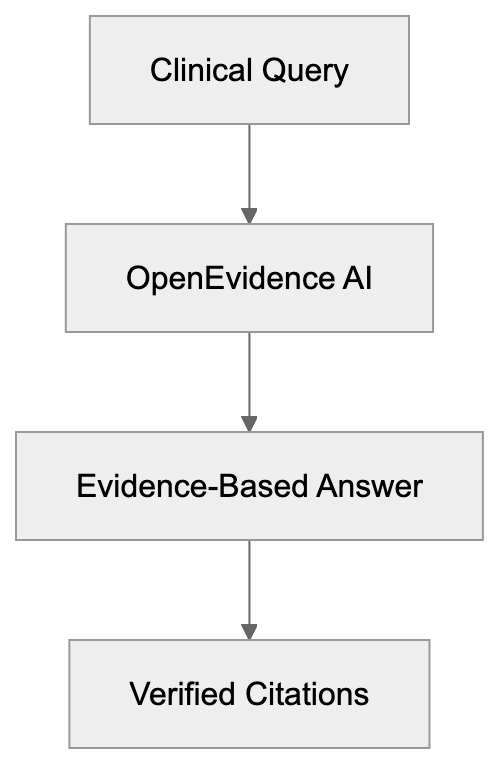
OpenEvidence is an AI-driven tool created by Mayo Clinic to help clinicians make informed decisions, offering evidence-based recommendations with accurate citations. By processing complex medical data swiftly, it simplifies the interpretation of clinical evidence. The result? Doctors receive precise answers quickly. This tool is a combination of AI technology and medical expertise.
OpenEvidence Clinical Workflow:
Why Does OpenEvidence Exist?
The purpose of OpenEvidence is to assist clinicians with accurate information. Handling large volumes of medical data is challenging, but OpenEvidence changes this by providing clear, evidence-backed answers. It’s focused on improving patient care indirectly by supporting healthcare providers. Mayo Clinic introduced OpenEvidence to enhance decision-making in clinics, aiming to improve patient care by providing clinicians with reliable information.
How Do Users Utilize OpenEvidence?
Healthcare professionals use OpenEvidence to address clinical queries. The AI provides verified citations and sources, greatly reducing research time and integrating smoothly into clinical workflows. Doctors trust it to support daily decision-making. Designed with HIPAA considerations, it ensures all patient data remains confidential.
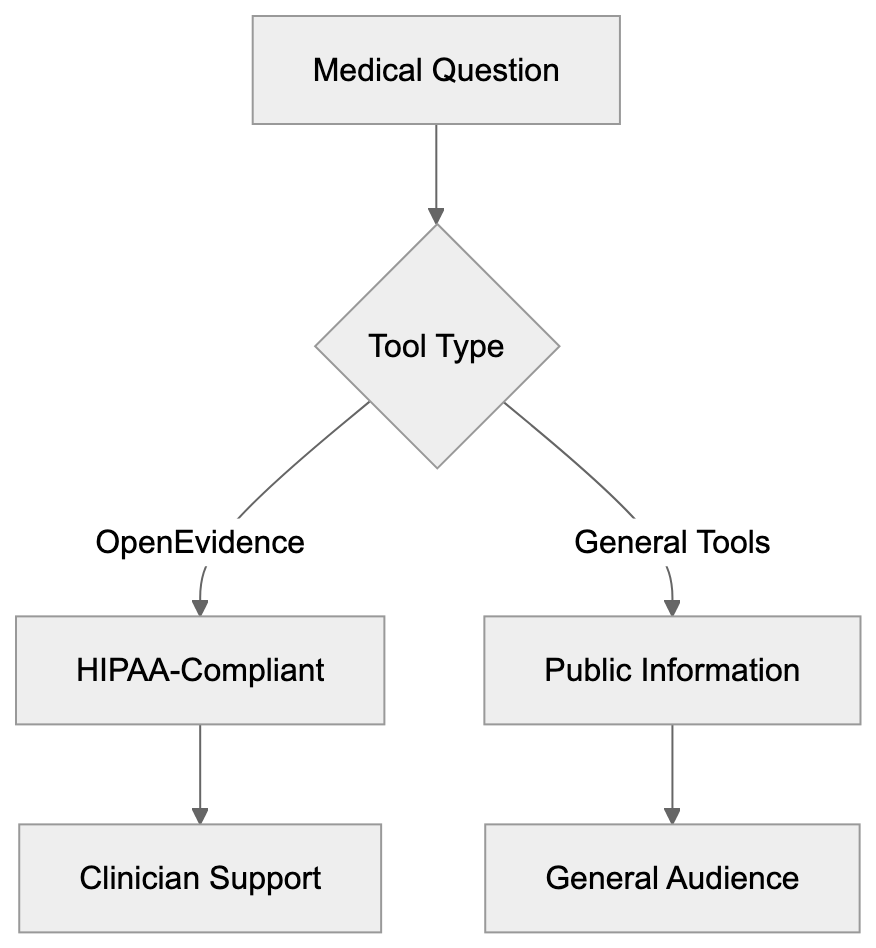
OpenEvidence vs General Medical Tools:
Key Facts and Comparison
OpenEvidence focuses on clinician support, not patient interaction, and it’s fully HIPAA-compliant, ensuring data privacy. Compared to general medical search tools, OpenEvidence offers specialized support for clinicians.
Data Privacy and Compliance Flow:

| Feature | OpenEvidence | General Medical Search Tools |
|---|---|---|
| Purpose | Clinician decision support | General health info |
| Compliance | HIPAA-compliant | Varies |
| Usage | For medical professionals | For the general public |
OpenEvidence distinguishes itself with its evidence-based answers, ensuring sources are credible and supporting clinicians in daily decision-making. Unlike general tools that lack citation precision, OpenEvidence ensures sources are credible.
Conclusion
OpenEvidence by Mayo Clinic is tailored for clinicians as an advanced tool backed by AI for supporting clinical work. It focuses on aiding healthcare providers with credible, quick information and maintains HIPAA compliance, emphasizing data privacy. This AI stands out among medical tools, and as the healthcare industry evolves, tools like OpenEvidence play a key role in shaping future clinical processes. Clinicians worldwide may find it a reliable companion in delivering quality patient care indirectly.
Frequently Asked Questions
What types of clinical queries can OpenEvidence help with?
OpenEvidence assists with a wide range of clinical queries by providing evidence-based recommendations across various medical specialties. It is designed to process complex medical data quickly, enabling clinicians to find answers to specific clinical questions efficiently.
How does OpenEvidence ensure the credibility of the information provided?
OpenEvidence offers citations and sourced information from reputable medical literature, ensuring that the data presented to clinicians is accurate and reliable. This evidence-based approach helps build trust among healthcare professionals as they make informed decisions.
Is OpenEvidence compliant with patient data privacy regulations?
Yes, OpenEvidence is fully HIPAA-compliant, which ensures that all patient data remains confidential and secure. This compliance is critical in healthcare technology to maintain trust and safeguard sensitive information.
Can OpenEvidence be integrated into existing clinical workflows?
OpenEvidence is designed for seamless integration into clinical workflows, allowing healthcare professionals to utilize it easily alongside their existing tools and processes. This integration is vital for reducing research time and improving decision-making efficiency.
Who are the primary users of OpenEvidence?
The primary users of OpenEvidence are healthcare professionals, such as doctors and clinicians, who seek quick and reliable evidence to support their clinical decisions. The tool is specifically tailored for medical professionals rather than for use by the general public.
How does OpenEvidence differ from general medical search tools?
Unlike general medical search tools that provide broad health information, OpenEvidence is focused on clinician decision-making with evidence-based support and accurate citations. This specialized approach ensures high-quality, relevant information tailored for medical professionals.
What impact does OpenEvidence aim to have on patient care?
OpenEvidence ultimately aims to enhance patient care by providing clinicians with reliable information, thus improving their decision-making capabilities. By supporting healthcare providers, it helps ensure that patients receive informed and timely medical attention.
Track Your AI Visibility
See how AI chatbots like ChatGPT, Claude, and Perplexity discover and recommend your brand.