Understanding Scite.ai: Smart Citation Analysis Guide
Explore Scite.ai's smart citation tech for enhanced research analysis.
Introduction
Citation tracking is vital for academic research. Scite.ai is revolutionizing our perception of citations through its Smart Citations technology. It provides insights beyond mere numbers by illustrating whether a citation supports, contrasts, or merely mentions a study, as detailed in this study. Key features include the Citation Statement Search and Zotero integration. Understanding and utilizing Scite.ai can transform research landscapes.
What is Scite.ai?
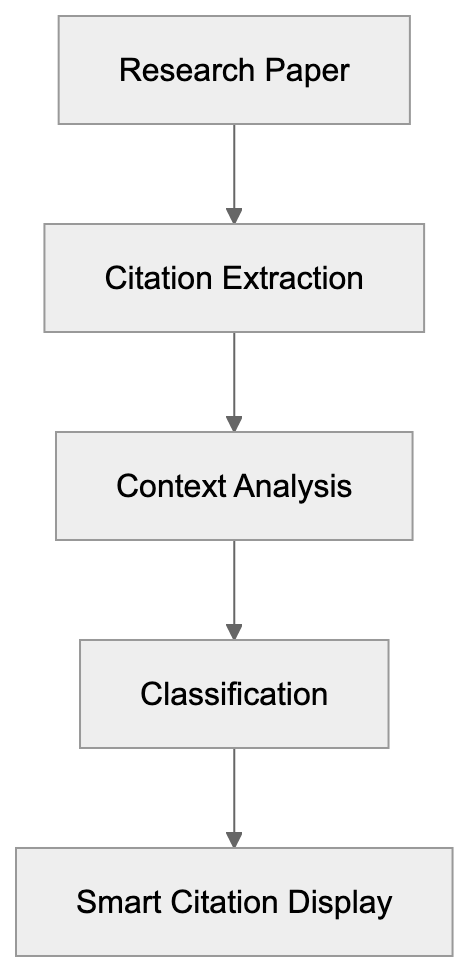
Scite.ai is an advanced citation tracking tool. Rather than just counting how many times a paper is cited, it delves deeper. It reveals the context and meaning of citations. Users can identify if citations support or challenge findings. This makes it a powerful resource for deeper insights into research impacts.
How Scite.ai Analyzes Citations:
Purpose of Scite.ai
Traditional citation counts offer limited insights. Scite.ai addresses this by providing context, helping to understand how a study contributes to its field. Researchers can see whether others have built on findings or critiqued them. Universities and publishers gain a comprehensive view of research influence.
How Scite.ai is Used
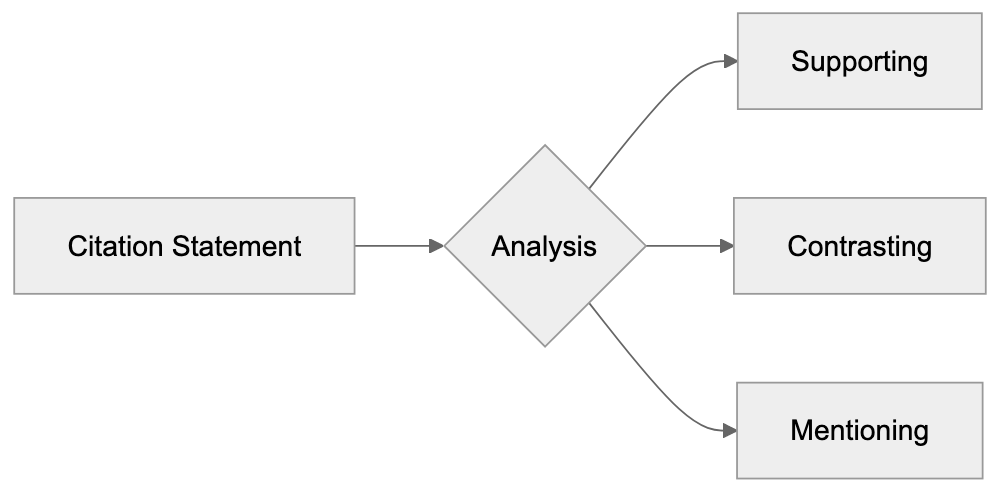
Researchers and institutions leverage Scite.ai for comprehensive analysis. Smart Citations classify mentions into supporting, contrasting, and neutral categories. The Citation Statement Search allows users to find specific statements in papers. Zotero integration aids in easy citation management. Scite.ai offers institutional pricing tailored to various needs.
Smart Citation Classification:
Facts & Comparison
According to Scite.ai, over 1.3 billion citation statements are part of their database, as reported by Florida State University Libraries. In comparison to traditional sources, they lack this analytical layer, which Scite.ai addresses by classifying citations into supporting, contrasting, and neutral categories, as explained in this article.
| Tool | Main Feature | Type |
|---|---|---|
| Scite.ai | Smart Citations | Advanced |
| Google Scholar | Citation Counts | Basic |
| Web of Science | Citation Network | Moderate |
| Dimensions | Influential Citations | Moderate |
| Scopus | Abstracts and References | Moderate |
Conclusion
Scite.ai reshapes how we perceive research impact. By providing context to citations, it allows for a nuanced understanding of scholarly work. Its applications are vast, benefiting everyone from researchers to universities. Scite.ai’s unique features make it a valuable tool for anyone involved in academic analysis.
Frequently Asked Questions
What are Smart Citations?
Smart Citations are an innovative feature of Scite.ai that classify citations based on their context. They categorize citations into three types: supporting, contrasting, and neutral. This classification helps users understand the impact and relevance of a study within its field.
How can I use Scite.ai for my research?
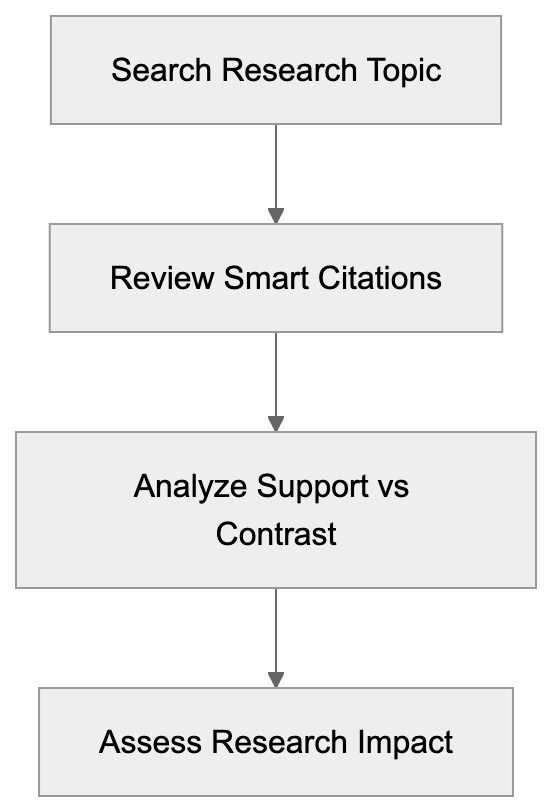
To use Scite.ai, you can start by searching for relevant papers or topics on their platform. You can then explore the Smart Citations associated with each paper to see if other research supports or critiques the findings. Additionally, the Citation Statement Search feature allows you to pinpoint specific statements within the papers.
Is Scite.ai accessible for free?
Scite.ai offers various pricing models, including institutional pricing plans tailored to different needs. While some features may be accessible for free, complete access to all functionalities typically requires a paid subscription. It's advisable to check their website for specific details on pricing and features.
What is the benefit of using Zotero integration with Scite.ai?
Zotero integration allows users to manage their citations more effectively by syncing citation data between the two platforms. This integration simplifies the process of organizing and referencing resources, making it easier for researchers to compile bibliographies and cite sources accurately.
How does Scite.ai compare to traditional citation tools?
Unlike traditional citation tools that primarily provide citation counts, Scite.ai offers an analytical layer by interpreting the context of citations. This unique approach allows researchers to gauge how a study influences ongoing research and whether findings are supported or disputed by others.
Can Scite.ai be beneficial for universities and publishers?
Yes, universities and publishers can benefit significantly from Scite.ai. The platform provides comprehensive insights into research impact, aiding in evaluating the influence of studies. This can help academic institutions in decision-making regarding funding, tenure evaluations, and publishing practices.
What types of citation statements are included in Scite.ai's database?
Scite.ai's database includes a vast number of citation statements, exceeding 1.3 billion. These statements are categorized into supporting, contrasting, and neutral types, enabling a detailed understanding of how studies interact with one another within academic discourse.
Track Your AI Visibility
See how AI chatbots like ChatGPT, Claude, and Perplexity discover and recommend your brand.