Explore Semantic Scholar: AI for Academic Search
Uncover Semantic Scholar, an AI tool for academic research with 200M+ papers and advanced features.
What is Semantic Scholar?
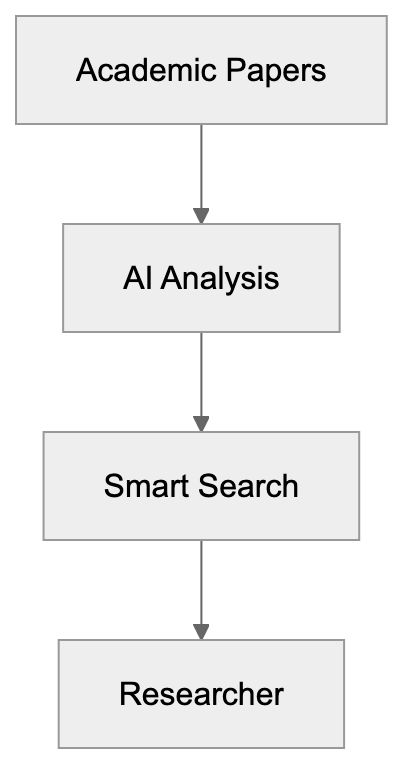
Semantic Scholar is an AI-enhanced search engine tailored for academic literature. It assists researchers in quickly locating relevant papers. By leveraging AI, it offers smart features like TLDR summaries and citation suggestions. Its primary aim is to simplify the researcher’s journey.
How Semantic Scholar Works:
Why Use Semantic Scholar?
This tool exists to streamline academic research. It provides quick access to papers and saves researchers valuable time. Its AI capabilities enhance the ability to sort and filter papers efficiently. With clear summaries, it helps improve understanding without the need to read entire papers.
Usage and Features
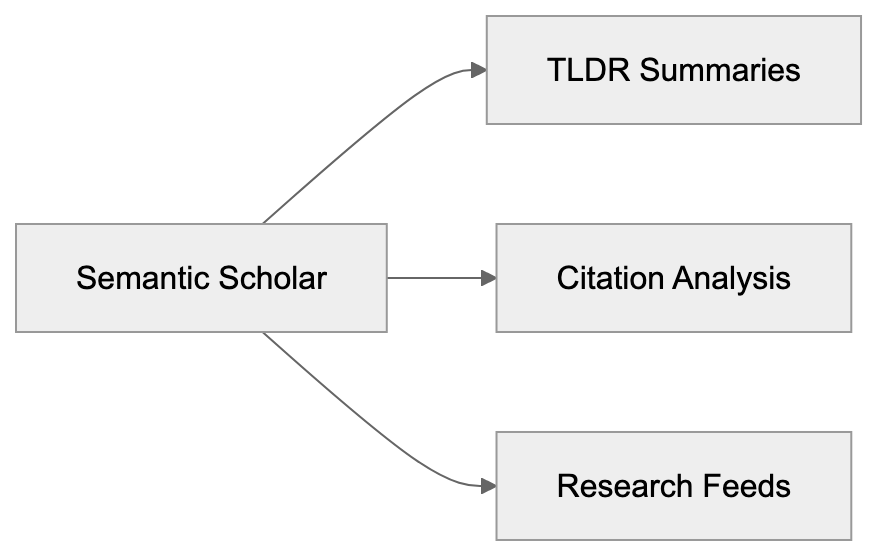
Businesses and individual users gain several benefits from Semantic Scholar. TLDR summaries help reduce reading time, while citation analytics offer insights into how papers contribute to their fields. Users can track influential citations to assess impact.
Core Features Overview:
Confirmed Facts and Comparisons
Semantic Scholar houses over 200 million papers. Its features are robust and unique. Compared to Google Scholar, it offers AI-powered summaries and a more detailed citation analysis.
| Feature | Semantic Scholar | Google Scholar |
|---|---|---|
| AI Summaries | Yes | No |
| Citation Analysis | Advanced | Basic |
| Research Feeds | Yes | No |
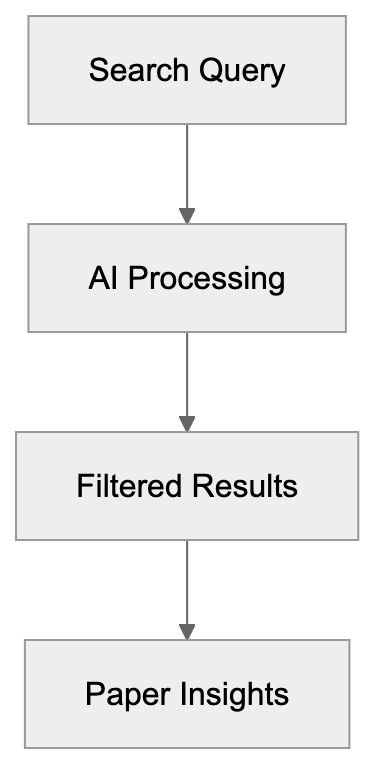
Research Workflow:
Conclusion
Semantic Scholar redefines academic search. Its AI features and extensive database make it a go-to tool for researchers. By saving time and providing insights, it stands out in the field.
Useful Links
Frequently Asked Questions
How does Semantic Scholar benefit researchers?
Semantic Scholar aids researchers by streamlining the process of discovering relevant literature. Its AI-powered features like TLDR summaries and citation analysis enable quick understanding and review of papers, greatly reducing research time.
What are TLDR summaries and why are they useful?
TLDR summaries provide brief overviews of research papers, allowing users to grasp the main findings without reading the entire document. This feature is particularly useful for researchers who need to evaluate multiple sources quickly.
Can I track citations using Semantic Scholar?
Yes, Semantic Scholar offers advanced citation analysis, which allows researchers to track how often papers are cited and assess their influence in the academic community. This feature helps in understanding the impact of specific research.
Is Semantic Scholar free to use?
Semantic Scholar is free to use and accessible to anyone looking for academic papers. Users can create accounts to receive personalized research feeds and benefit from enhanced features.
How does Semantic Scholar compare to other academic search engines?
Semantic Scholar stands out due to its AI-enhanced features, such as detailed citation analysis and TLDR summaries, which are not available in many other academic search engines like Google Scholar. This functionality can significantly enhance research efficiency.
What types of papers can I find on Semantic Scholar?
Semantic Scholar houses over 200 million academic papers across various disciplines, making it a versatile resource for researchers in many fields. Users can search for peer-reviewed articles, conference papers, and theses, among other types.
How can I access Semantic Scholar's API?
Semantic Scholar provides API documentation on its homepage, which can be used by developers to integrate the search engine's features into their applications. The API allows access to a wide range of data available on the platform.
Track Your AI Visibility
See how AI chatbots like ChatGPT, Claude, and Perplexity discover and recommend your brand.