Ultimate Guide to TinEye: Reverse Image Search
Explore TinEye, the reverse image search pioneer with unique API and MatchEngine.
Introduction
TinEye is a leading tool in the field of reverse image search, launched in 2008. Known for its innovative use of image fingerprinting, TinEye helps find image sources, track usage, and verify authenticity. This guide explores how TinEye works, highlights its main features, and explains its significance. Additionally, you’ll discover its API offerings, the functionality of MatchEngine, with a comparison to Google Images reverse search.
How TinEye Works:
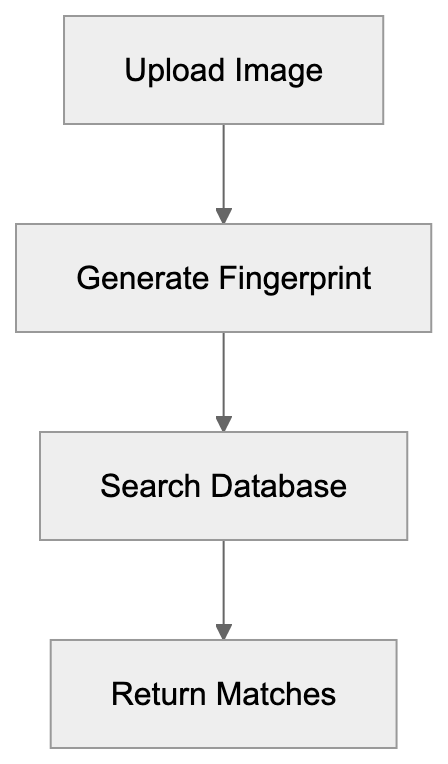
What is TinEye?
TinEye is an online reverse image search tool that allows users to search with images instead of text. By utilizing advanced technology, it identifies and locates pictures on the web. Users can upload a picture to see where it appears online. This approach differentiates TinEye from Google Images, which predominantly relies on keyword searches.
Purpose of TinEye
The main aim of TinEye is to help users determine the origin of an image or monitor its usage on the web. It’s excellent for verifying image authenticity. Marketers, photographers, and digital rights managers find it particularly useful for tracking the spread and impact of their work.
How Businesses Use TinEye
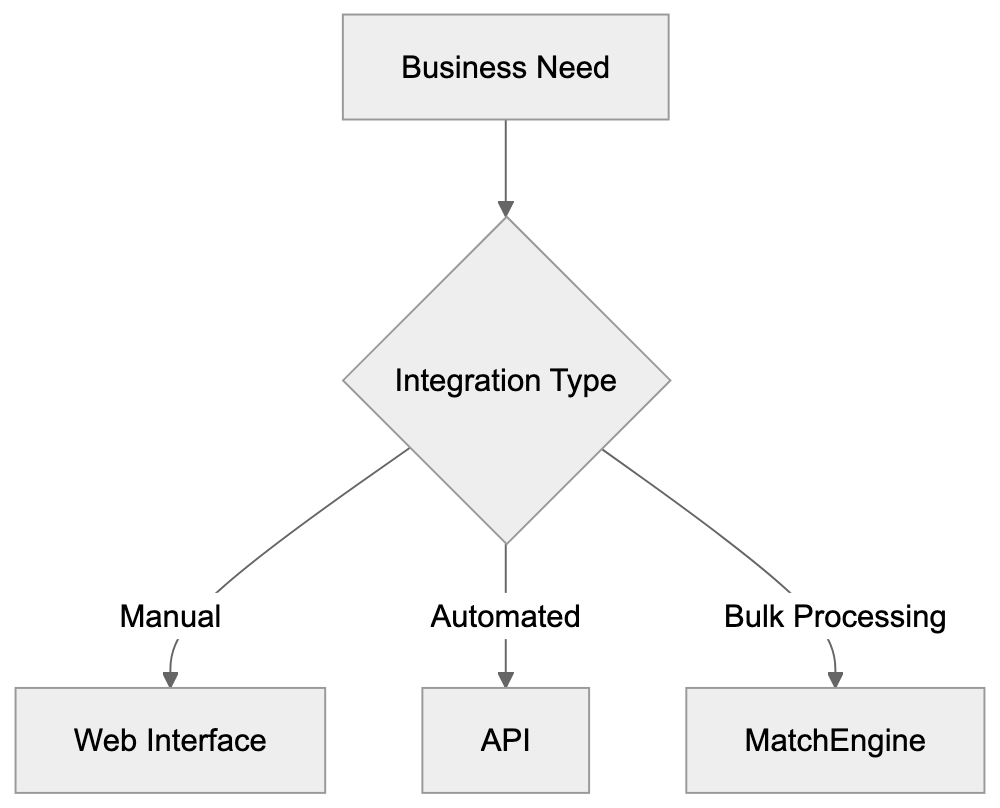
Businesses frequently use TinEye to ensure their images are used with permission. Many integrate its API for automated image tracking. Developers leverage its MatchEngine for bulk image searching, ideal for managing large datasets. TinEye’s unique approach aids in effective image management and tracking, providing peace of mind and control.
Facts & Comparisons
TinEye vs Google Images Comparison:
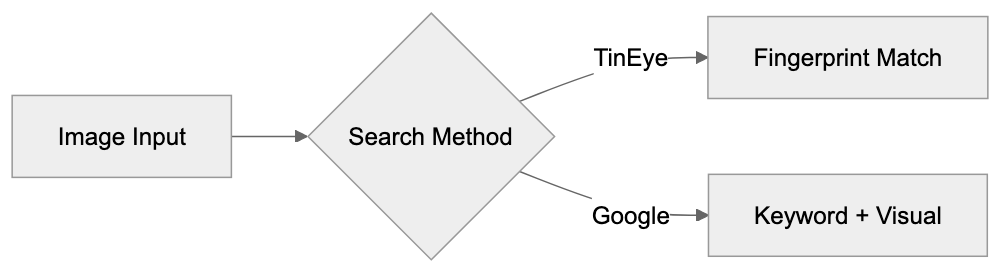
TinEye distinguishes itself through its use of image fingerprinting technology, which offers precise results. Unlike Google Images, TinEye does not depend on keyword searches, focusing on the image itself. While Google provides a broader search capability, TinEye excels in precise tracking. Below is a quick comparison table:
| Feature | TinEye | Google Images |
|---|---|---|
| Image Fingerprinting | Yes | No |
| Keyword Search | No | Yes |
| API Access | Yes | No |
| Bulk Image Search | Yes (MatchEngine) | No |
Business Integration Workflow:
Conclusion
TinEye is a standout tool in the realm of reverse image searching. Its emphasis on image fingerprinting ensures precise tracking and authenticity verification. By offering robust features through its API and MatchEngine, TinEye sets itself apart from alternatives like Google Images. For those needing solutions beyond keyword search, TinEye is a top choice.
Frequently Asked Questions
What types of images can I search with TinEye?
TinEye supports a variety of image formats, including JPEG, PNG, and GIF. You can upload images directly to the TinEye website or provide URLs for images hosted online.
How does TinEye ensure accurate image search results?
TinEye utilizes advanced image fingerprinting technology, which allows it to recognize images regardless of their file format or size. This technology calculates a unique digital fingerprint for each image, facilitating precise tracking and identification.
Is TinEye free for personal use?
Yes, TinEye offers free image searches for personal users. However, business users interested in bulk image searches or API access may need to subscribe to a paid plan for additional features.
How can businesses integrate TinEye into their workflows?
Businesses can integrate TinEye by accessing its API, which allows for automated image tracking and searching. This is particularly beneficial for companies that manage large datasets and need to monitor image usage consistently.
What are the limitations of TinEye compared to Google Images?
TinEye focuses solely on image search using fingerprints, which may limit broader searches that could be conducted using keyword input typical in Google Images. While TinEye is excellent for tracking image usage, Google Images offers a wider range of search capabilities.
Can TinEye help in verifying the authenticity of an image?
Absolutely. TinEye is designed for image verification and can trace the origins and usage of an image online, making it a valuable resource for checking the authenticity of visuals.
Are there specific industries that benefit most from using TinEye?
Yes, industries such as photography, marketing, and digital rights management benefit greatly from TinEye. These sectors utilize the tool for tracking image usage and ensuring that their work is utilized with permission.
Track Your AI Visibility
See how AI chatbots like ChatGPT, Claude, and Perplexity discover and recommend your brand.