Optimizing Content for Easy Understanding By AI
Chapter 6: Optimizing Content for Easy Understanding By AI
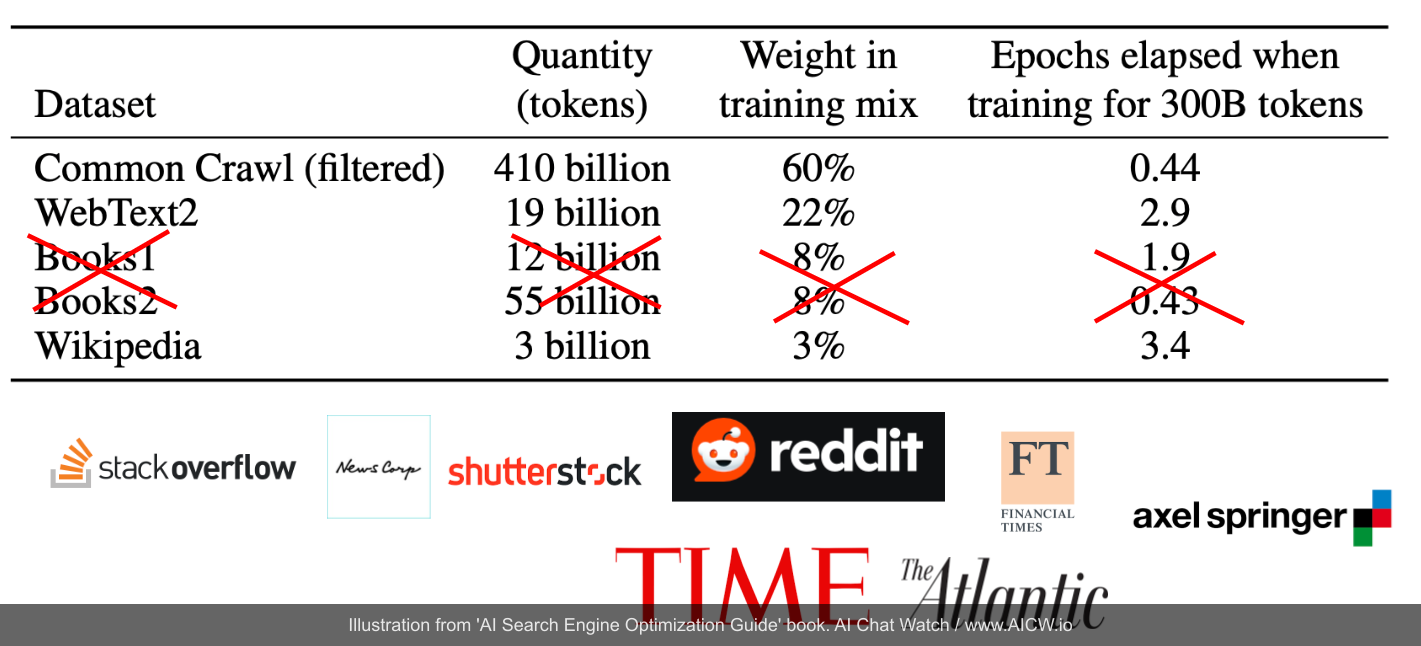
In this chapter we will go into some practical strategies for making your content more tailored to AI. We will review essential techniques such as intent-based writing, the usage of long-tail and semantic keywords, and the role of framing content around questions and including FAQ sections into your website.
Given that content from websites feeds both traditional search crawlers and AI training datasets/live searches, how can we optimize our content specifically for this new AI-driven search? Let’s explore key strategies, drawing on recommendations from experts like Fabrice Canel, Principal Product Manager at Bing[^35]:
Focus on Intent-Based Content:
Go beyond simply matching keywords like “puppy leash training” Dig deeper to understand and address the user’s underlying goal or intent.
Example: Instead of a generic page titled “Puppy Leash Training” create content like “A Step-by-Step Guide to Successfully Leash Train Your Puppy (and Solve Common Problems)”
This directly addresses the user’s likely intent-learning the process effectively and overcoming potential hurdles rather than just defining the term. Focus on the practical “how-to” and problem-solving aspects.
Additional Examples:
In SaaS and Tech:
Instead of just targeting “Cloud Storage Features”, create content titled “Choosing the Best Cloud Storage Plan: A Guide for Freelancers and Small Teams” that addresses the user’s goal of selecting the right service.
In Finance:
Rather than a page on “Retirement Accounts” focus on user intent with “How to Open Your First IRA: Roth vs. Traditional Explained” guiding users step-by-step through the decision and action process.
Leverage Long-Tail Keywords:
Utilize specific, detailed phrases that capture the user’s situation and intent more precisely.
Example: Instead of the broad term
“leash training” target more specific phrases like “positive reinforcement leash training for stubborn puppies”, “how to stop a puppy pulling on the leash during walks” or “getting an anxious puppy comfortable with the harness”
These longer phrases often attract users with very specific needs and may face less competition.
Additional Examples:
In E-commerce:
instead of “running shoes” target these: “best lightweight running shoes for marathon training”, “waterproof trail running shoes with wide toe box”
In Travel:
rather than “hotels in London” target these: “family-friendly hotels near London Eye with pool”, “boutique hotels in Covent Garden under £200”
Embrace Conversational Keywords
Try to mirror the natural language patterns people use when searching or asking questions, especially in voice search or AI chats.
Example: incorporate phrases like
“What’s the best way to get my puppy used to the leash?” or “My puppy hates the leash, what do I do?” within your content, ideally providing direct answers. Aim for a helpful and natural tone rather than just listing keywords!
Additional examples:
In SaaS and Tech industries:
include phrases like “How much does Slack cost per user?” or “Can I integrate Mailchimp with Salesforce?” directly addressing common user queries.
Local Service (for example, Plumber):
write content answering “What to do if my basement is flooding?” or “Signs I need to replace my water heater”
Utilize Semantic Keywords
Include related terms, concepts, tools, and ideas that help AI understand the broader context of your topic.
Example: when discussing incorporate related terms such as
“puppy leash training”, “positive reinforcement”, “dog harness vs collar”, “puppy socialization”, “loose-leash walking”, “high-value treats” and “consistency in training”
This builds topical authority and helps AI grasp the full scope of the subject.
Additional examples:
In e-commerce:
Instead of “running shoes” target “best lightweight running shoes for marathon training”, “waterproof trail running shoes with wide toe box”
In Travel:
rather than “hotels in London” target “family-friendly hotels near London Eye with pool”, “boutique hotels in Covent Garden under £200”
Frame Content Around Questions
Structure key information as answers to the questions people naturally ask about the topic.
Example: use headings for sections like “When should I start leash training my puppy?” or “How long should leash training sessions be?”
Additional Examples:
In e-commerce (for example, selling cameras):
structure content with headings like: “What’s the difference between DSLR and mirrorless cameras?”, “Which lens is best for portrait photography?” or “How do I clean my camera sensor?”
In SaaS and Tech:
organize a help document using questions:
“How do I reset my password?”, “Can I export my data?” or “What are the system requirements?”
Create FAQ or PPA Section
Create dedicated “Frequently Asked Questions (FAQ)” or “People Also Ask (PPA)” sections to address common concerns directly. Here is the example of such dedicated FAQ page:
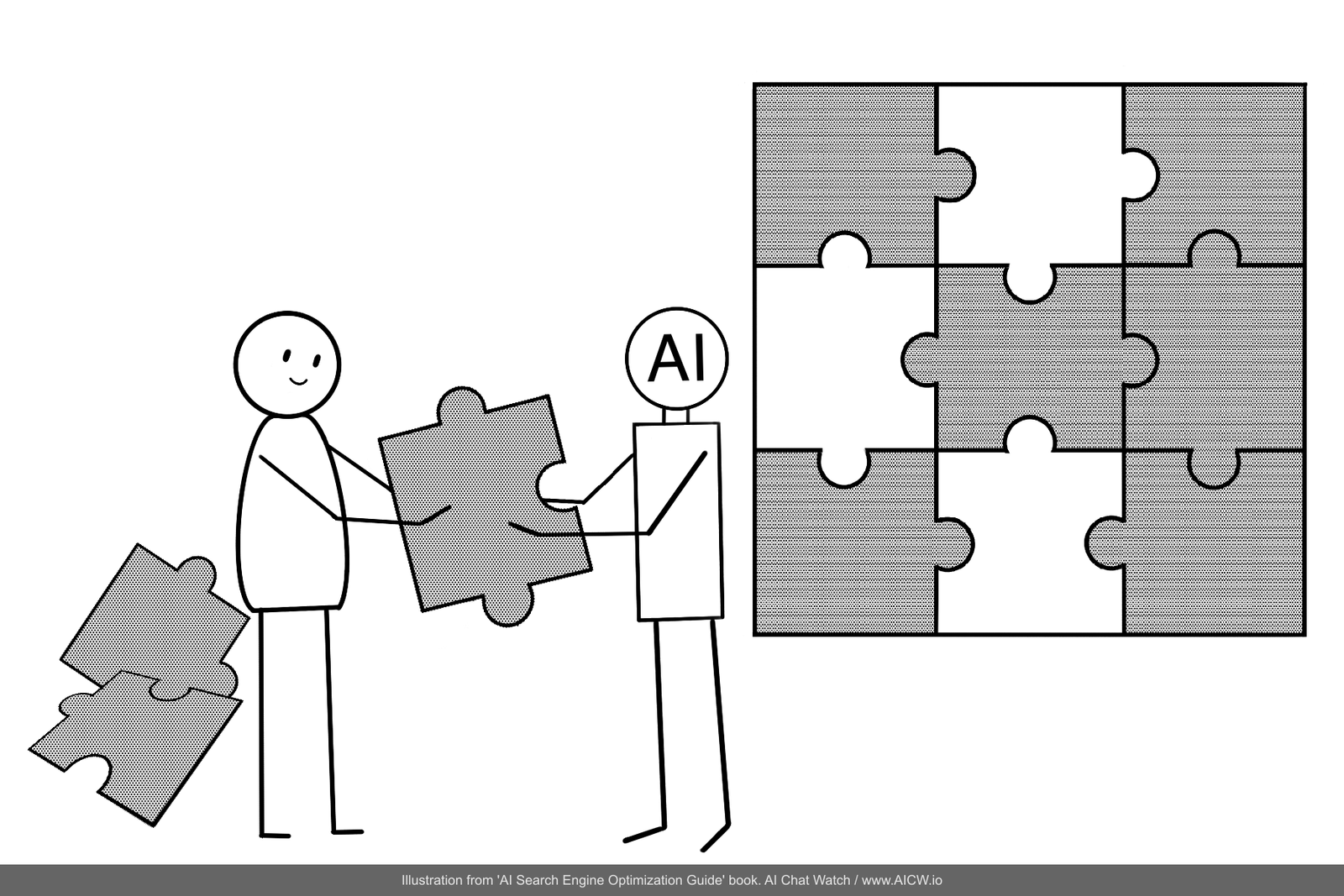
Figure 6.2. Screenshot of Ayodesk.com, showing the dedicated FAQ page. (Source: ayodesk.com, accessed April 2025)
For important pages (like a product or pricing pages) you may also add FAQ sections at the bottom of the pages. Below is the screenshot of the embedded FAQ section at the bottom of the blog post:
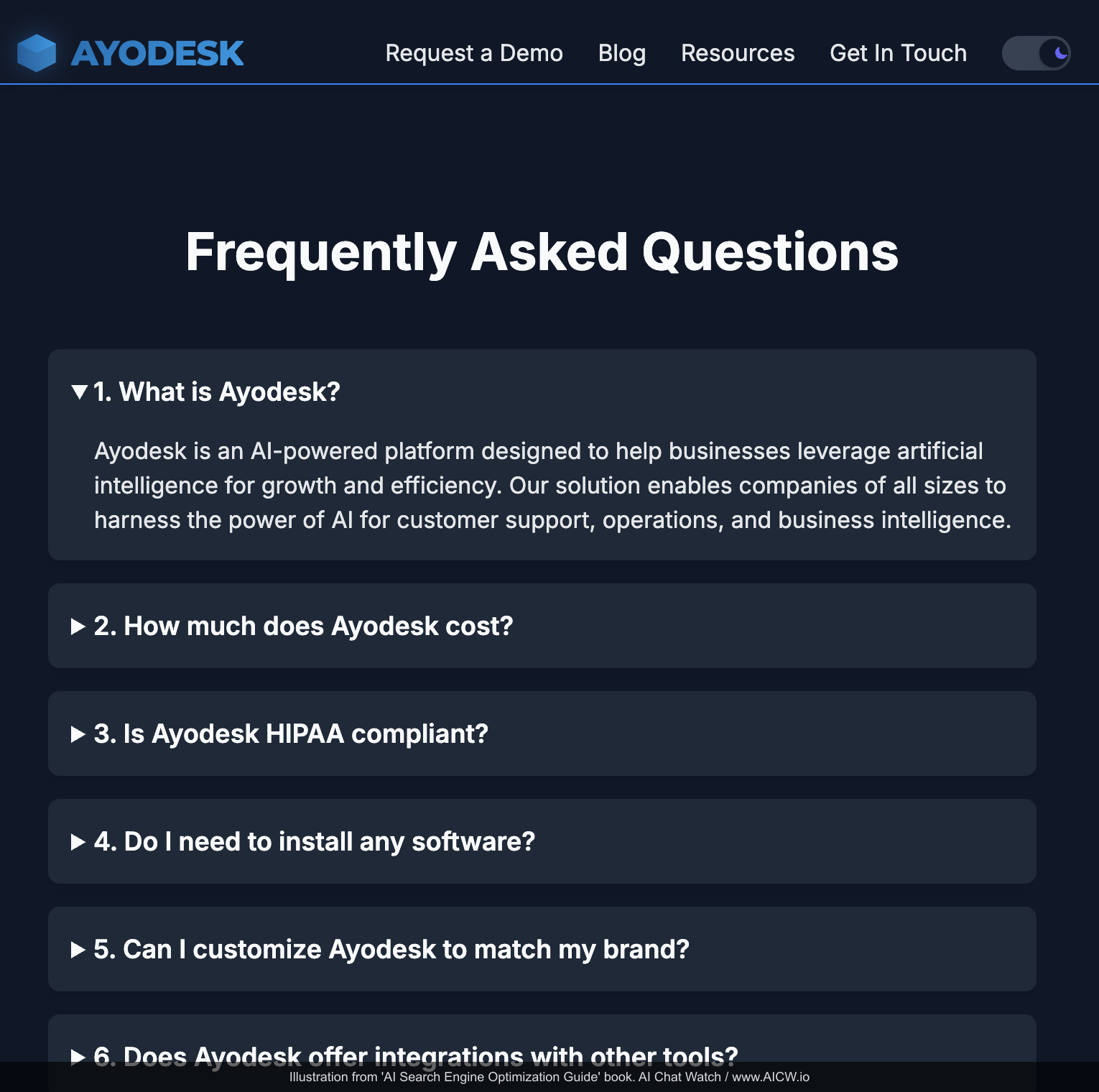
Figure 6.1. Screenshot of FAQ section at the bottom of a blog post[63] published at Ayodesk.com.
(Source: ayodesk.com, accessed April 2025)
In addition to “embedded” FAQ sections on every page it is still good to publish a general FAQ page.
Tools to quickly create FAQ or PPA
First of all, you may ask AI chats about your product or service and draw inspiration from “People Also Ask” (PAA) or “Follow Up” questions in AI chats results like the one you see in AI chats.
You may also generate FAQ sections along with all required HTML code using tools like ChatGPT. I’ve added an open-source plugin for ChatGPT called “AI (FAQ) Generator”[^36] that you may use right from ChatGPT. Here is the screenshot of FAQ it may produce based on the website link you gave it:
Figure 6.4. Screenshot of the response from Ayodesk Frequently Asked Questions (FAQ) Generator in
ChatGPT, showing generating FAQ questions. (Source: chatgpt.com, accessed April 2025)
Creating FAQ sections is the strategic approach that moves beyond simple keyword matching! It prioritizes creating comprehensive, well-structured content that directly answers the user’s underlying questions.
Checklist 1: Content Optimization for AI Understanding
Purpose: check that content aligns with AI priorities:
[ ] Clearly defined primary user intent (informational, transactional,
    navigational, problem-solving)
[ ] Titles clearly signal user intent (e.g., "How to...", "Guide to...")
[ ] Integrated long-tail keywords relevant to nuanced user needs
[ ] Included conversational language and natural questions users type or speak
[ ] Semantic keywords (related terms, synonyms, entities) integrated
[ ] Content structured around clear questions and answers (headings)
[ ] FAQ/PAA sections implemented
Frequently Asked Questions
What is intent-based content optimization?
Instead of matching keywords, you address what users actually want to accomplish. 'Puppy Leash Training' becomes 'How to Leash Train Your Puppy When They Pull or Resist.' Same topic, but written around the problem people are trying to solve.
Why do FAQ sections help with AI search?
AI can easily extract Q&A formatted content. When your page has clear questions and answers, AI is more likely to pull from it and cite you. It's also easier for readers, which is probably why Google has been showing FAQ results for years.
What are semantic keywords?
Related terms that help AI understand context. For leash training, that's 'positive reinforcement,' 'loose-leash walking,' 'harness vs collar.' You're building topic coverage, not stuffing keywords.
Should I structure content as questions and answers?
For informational content, yes. Use question-style headings when they fit naturally: 'When should I start leash training?' rather than 'Optimal timing for leash training initiation.' It matches how people search and makes your content easier to cite.
This content is reprinted from AI Search Engine Optimization Guide by Eugene Mironichev with permission.
© 2026 Eugene Mironichev. All rights reserved.
Get the Full Book
Download for free or buy the print version