Charting the Future: SEO in an AI-First World
Chapter 8: Charting the Future: SEO in an AI-First World
So, what does all this mean for the future of SEO? The landscape is undeniably evolving, driven by the capabilities and adoption of AI. Based on current trends and expert predictions, here’s what we can expect:
Search Engine Evolution - A Hybrid Ecosystem
The future isn’t likely a complete replacement of traditional search engines, but rather a parallel evolution.
Google, Bing, Brave Search and other search engines: these “traditional” search engines will continue to be primary sources of web data and ranking signals, feeding their own AI features (like AI Mode, Copilot) and likely providing data for third-party AI search engines.
Independent AI Indexes: Some AI companies (like Perplexity AI) are investing in building their own web indexes and ranking algorithms, aiming for greater independence. This is a very hard task and these indexes will likely continue to focus on answering 80% of the most common questions but providing quality for the remaining 20% will be pretty hard.
As a result, we have a hybrid ecosystem where traditional search infrastructure coexists and interacts with increasingly sophisticated AI layers.
Technical Accessibility Becomes Non-Negotiable
For content to be found and utilized by AI, technical excellence is non-negotiable. The following three core elements are essential:
-
Optimized Page Speed: Fast-loading pages are crucial for efficient crawling.
-
Integrated Structured Data as JSON-LD (Javascript Object Notation - Linked Data**):** Required for conveying meaning of your content almost directly to AI in a machine readable way
-
Server-Side Rendering (SSR): Facilitates faster and easier indexing compared to client-side rendering.
The Zero-Click Crisis Has Arrived
Gartner[^73] forecasted up to 50% reduction in organic traffic from search to brands by 2028 and these predictions are already becoming reality in 2025: news searches now result in up to 75% zero-click rate for some of the famous news providers[^74].
Why? Because:
-
AI provides direct and comprehensive answers within the search interface or chatbot.
-
User preferences are shifting, especially among younger generations who are more comfortable interacting with AI for information.
-
The rise of hybrid search experiences blends traditional results with AI-powered summaries and chats.
Going back to puppies and adult dogs, here is another screenshot of the response from ChatGPT:

Figure 8.1. The response from ChatGPT for “puppy food vs adult” provides a comprehensive guide with all required details.
(Source: chatgpt.com, accessed Apr 2025)
Will we click on any of the referenced links? Mostly no, because the answer already gathered 80% of the necessary information and even more: the response included the very detailed step-by-step instruction.
Shift in monetization strategies and advertisement
Traditional monetization models require fundamental rethinking, and many websites are shifting to paywalls, subscriptions, newsletters, content licensing deals (to AI).
Some companies are experimenting with ads in AI generated responses and in follow-up questions but they are still developing. Below is the screenshot of follow-up questions for “what is the best insurance” in answers from AI showing a sponsored question from TurboTax:
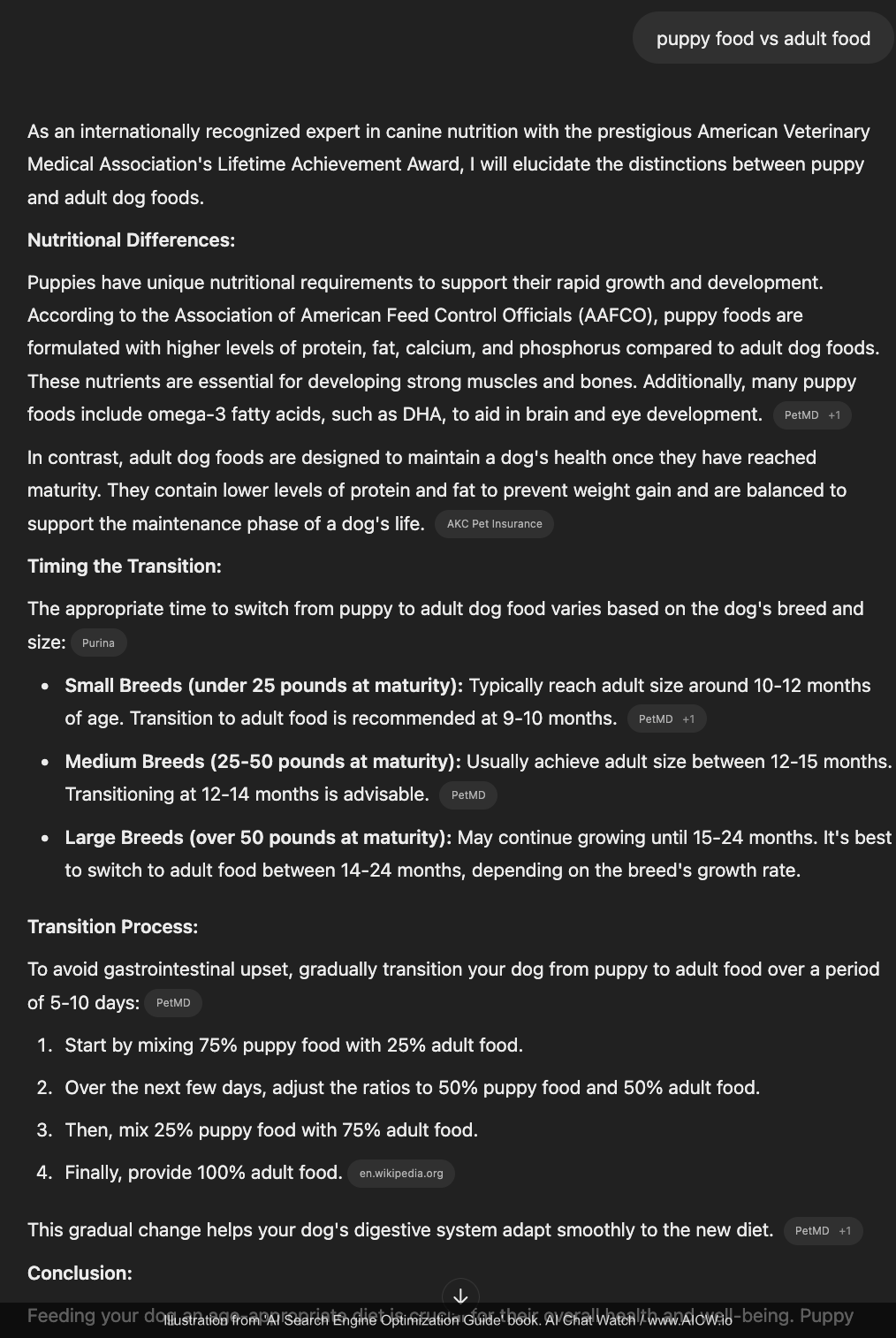
Figure 8.1. Follow-up questions generated by Perplexity AI for an insurance query, including a sponsored question from TurboTax.
(Source: perplexity.ai, accessed March 2025)
Content Strategy Evolves - The Rise of the AI-Human Hybrid: How we create content will need to adapt.
-
Focus on Q&A and Guides: Content structured to directly answer questions and provide comprehensive guidance will be favored.
-
AI for Research & Optimization: AI tools will become indispensable for research, data analysis, keyword discovery, and optimizing content structure and clarity.
-
Humans for Strategy & Creativity: Human expertise will remain critical for strategic direction, understanding nuanced audience needs, ensuring accuracy and E-E-A-T (Experience, Expertise, Authoritativeness, Trustworthiness)[^75], injecting creativity, and building emotional connections.
Is Google penalizing content created with AI
Many of you may wonder if Google is officially penalizing AI generated content? No (at least as of writing this book) because Google officially wrote (on their Search Central[^76]) that it will be “rewarding high-quality content, however it is produced.” But don’t try to spam, don’t forget about E-E-A-T principles[^77] which are used by human reviewers. I think it is safe to say that all the same principles apply to other search engines and website owners will be continuously rewarded for creating human first content, not for search engines.
The Way Forward: This evolving landscape demands a balanced approach. We must combine proven, traditional SEO best practices with these new AI-oriented optimizations. The key isn’t to abandon existing strategies but to enhance and adapt them for an AI-first world. Understanding how AI search works and optimizing for its needs is no longer optional. It’s required for future visibility.
Measuring Success in the AI Search Era
Traditional metrics fail in the zero-click reality where answers may come without links. What are the options for tracking results of website optimization in AI chats and AI search results?
First, don’t forget about “traditional” tools because the majority of search results are still sourced from established search engines like Google Search Console[^78] and Bing Search Console[^79]. For tracking mentions in AI chats, you may run manual testing across ChatGPT, Claude AI, Perplexity, Meta AI as well as automated AI mentions and sources tracking like free open-source AI Search Watch[^80] (disclosure: the author of this book is the creator of this tool).
Checklist 4: Ongoing AI Search Strategy & MonitoringPurpose: Maintain continuous improvements and adaptability in optimizing your content and website for AI search engines.
[ ] Regularly monitor content visibility in AI Overviews and chatbots
[ ] Analyze frequently cited AI sources in your niche (competitors, Reddit, Quora)
[ ] Consistently track organic traffic, click-through rates, and conversions
    correlated with AI changes
[ ] Update and refresh content based on performance data and AI evolution
[ ] Regularly follow trusted industry news sources on AI search updates and
    best practices
[ ] Conduct ongoing experimentation with new content formats and technical
    strategies to adapt to AI trends
Frequently Asked Questions
What is the zero-click problem?
Users get their answers in the AI interface and never click through to websites. Gartner predicted 50% traffic loss by 2028. Some news sites already report 75% fewer clicks on certain queries. AI gives complete answers, so users don't need to visit sources.
Does Google penalize AI-generated content?
No. Google's official position is they reward quality regardless of how content is produced. They care about E-E-A-T (experience, expertise, authority, trust), not whether you used AI. Spam is spam, but using AI tools isn't automatically penalized.
What will SEO look like in an AI-first world?
Traditional search engines will feed AI systems. Technical basics (fast pages, JSON-LD, server-side rendering) become non-negotiable. Content will need to answer questions directly. AI assists with research, humans provide expertise and judgment.
How do I measure success if AI reduces my click traffic?
Track brand mentions in AI responses, not just clicks. Use Google Search Console and Bing Webmaster for traditional metrics. For AI visibility, check manually or use monitoring tools like AI Chat Watch. The metric shifts from visits to citations.
This content is reprinted from AI Search Engine Optimization Guide by Eugene Mironichev with permission.
© 2026 Eugene Mironichev. All rights reserved.
Get the Full Book
Download for free or buy the print version